Week two of our long trip to the Western Isles, and the weather can best be described as mixed. We have had beautiful sunshine, torrential rain, strong winds and complete stillness. The only consistent thing has been the beauty we have seen.
We have had our son, Tin, and his girlfriend, Cheryl, with us this week. Last week we were joined by Mandy’s brother Stephen. Perhaps because we have had visitors we have made the effort to get out every day, and we have been well rewarded.
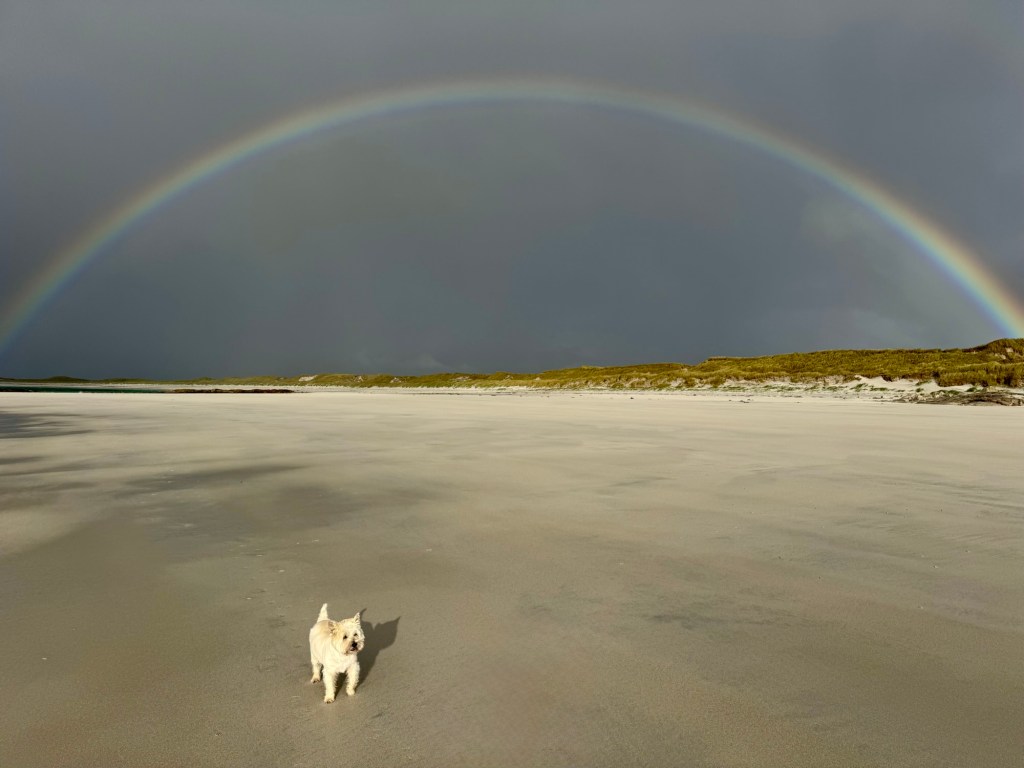
When the rain came in to replace sunshine we had the most stunning rainbows.
When we were stuck in the rain we discovered a roadside seafood shack, serving the best lobster, crab and prawn rolls.
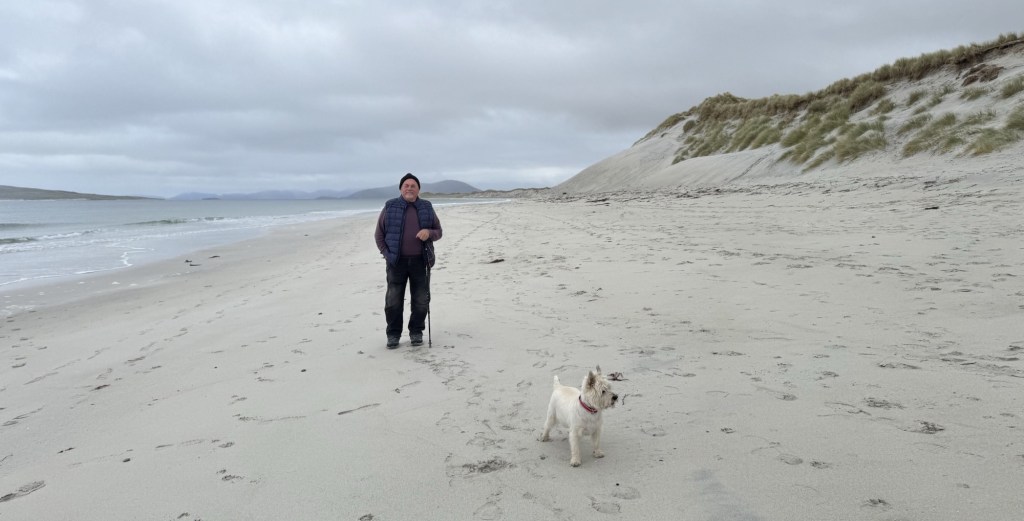
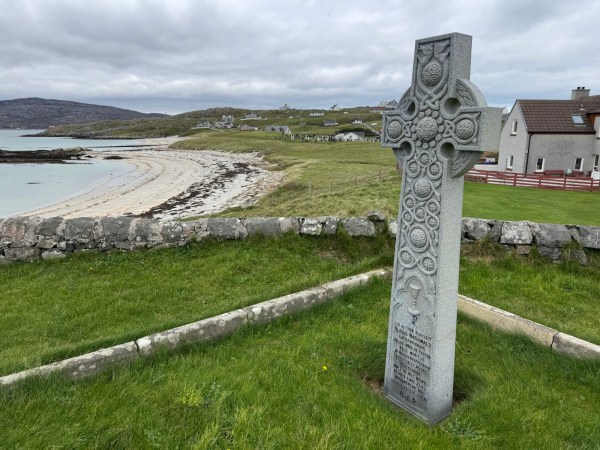
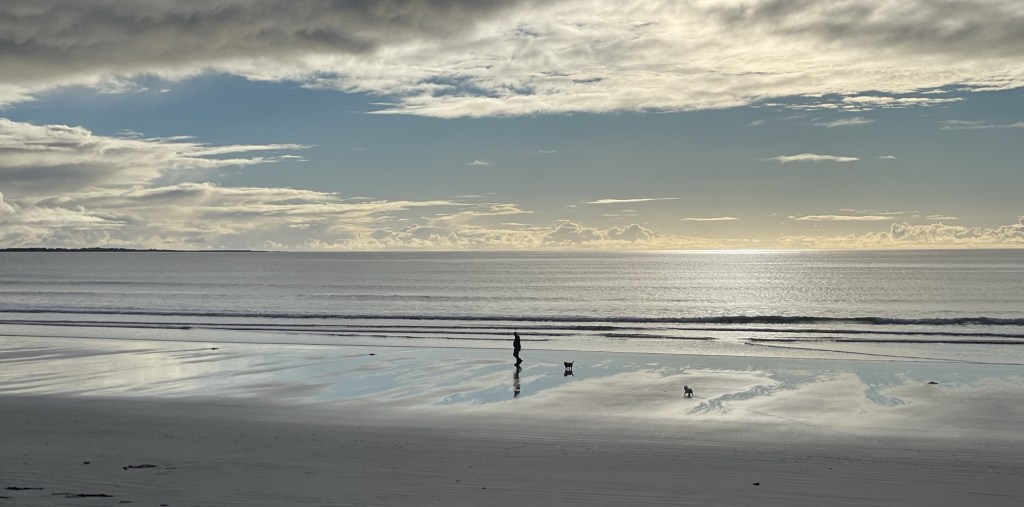
When it has been dry but cloudy we have still found the beaches to be pristine white.
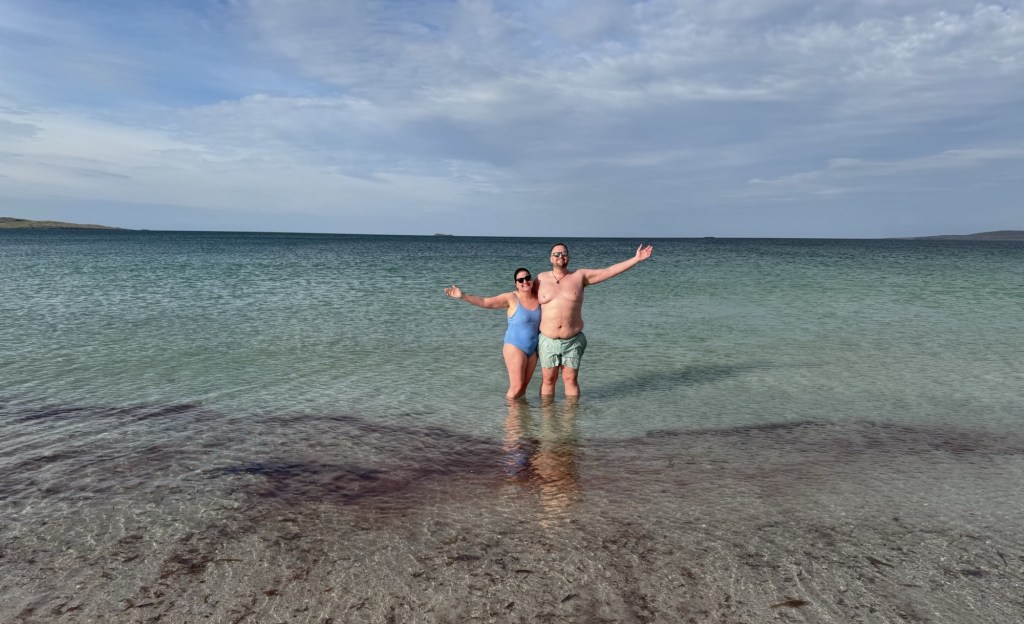
And when the sun has come out, our visitors have made the best of the invigorating cold waters.
We have met bears in the forest,
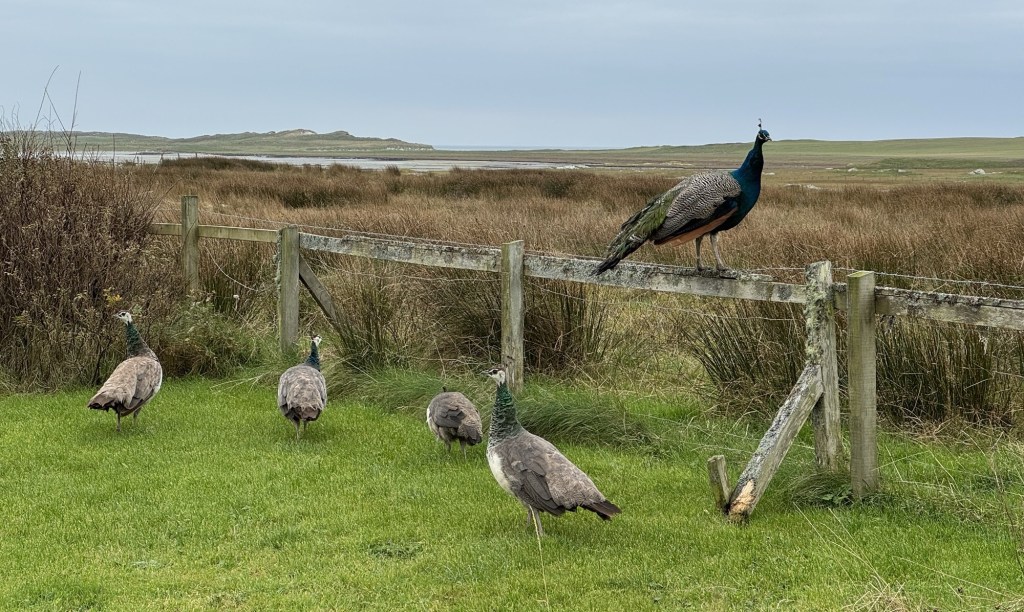
Peacocks by the cottage,
And wild Eriskay horses in the roads
We have seen sunrises, sunsets,
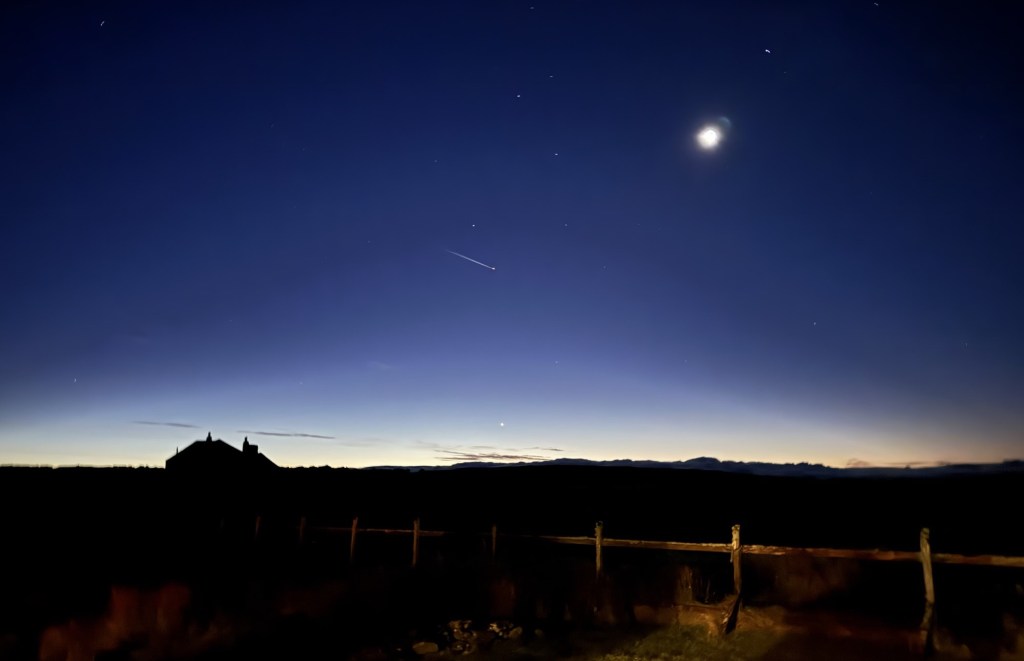
And wonderful night skies.
And we are just two weeks into our six week break.
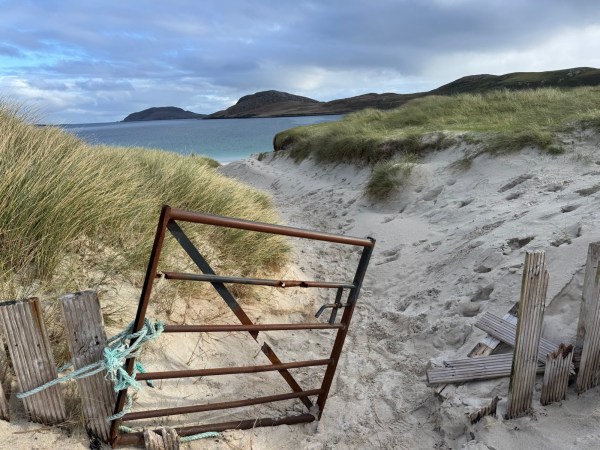
I do think the Outer Hebrides are perhaps the most beautiful islands in the world.
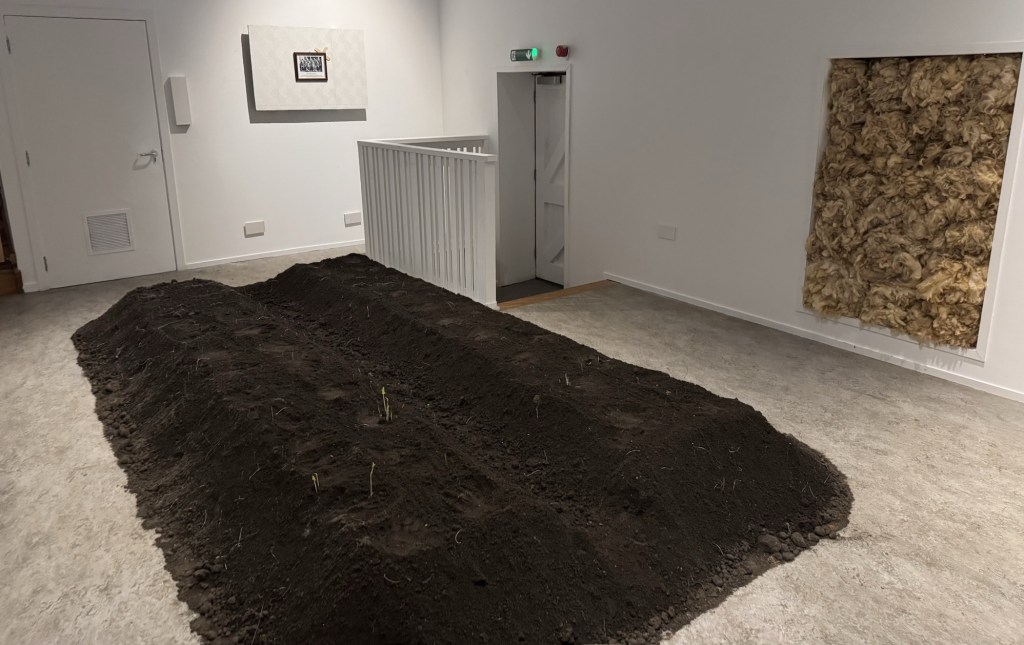
We are away for a few weeks in the Outer Hebrides. More on that in future blogs no doubt. One of the things we have done this week was to go to the visitor centre in Lochmaddy, North Uist. It’s a nice place to go, with a small shop, a café that does excellent soup, toasties and scones, and a museum that is currently exhibiting everything you could want to know about the Scottish ferry company Calmac. It also has a small art gallery and that is what confused me this week.
Most of the floor of the gallery was covered in peat, with some sheep’s wool in frames around the walls. I like to think I am open to modern art installations, particularly the physical ones. I love The Tate gallery, and the Pompidou in Paris. I have climbed inside enormous human forms by Anthony Gormley, and tried to understand the blue pictures of Yves Klein.
But is this art or just a pile of mud? I love peaty whiskies so maybe I should have just rolled around in it to try to get closer to the artist’s meaning. Or perhaps I should have just filled my pockets and taken it back to the holiday cottage to put on the fire.
As we have driven around the islands this week, we have come across many areas of moorland peat that have been cut away for islander use. Piles of peat cuttings are drying in the autumn wind. For me, I have got more from looking at them, situated amongst incredible views and rugged countryside, than I have from this example, sitting in a sterile gallery.
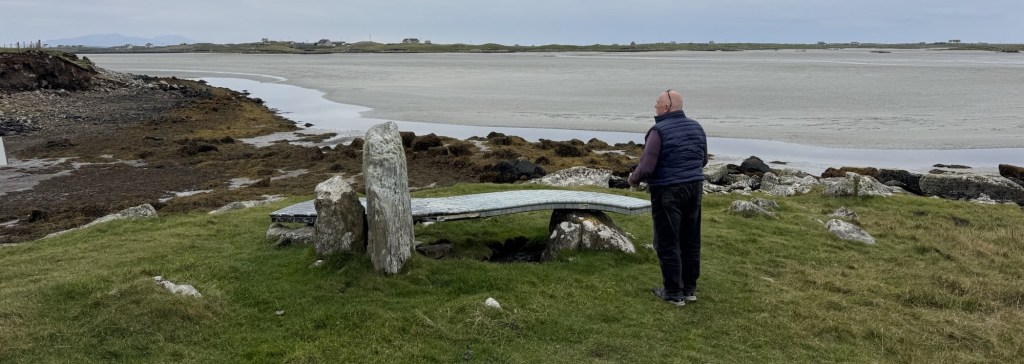
Just to show I am not a complete philistine, here is a Hebridean art installation I do like. It is called “Reflections” by Colin Mackenzie, and has been created to sit amongst natural rocks overlooking the island of Baleshare. It is both dramatic and quirky.
My degree was in Computing Science and I worked in IT for 30 years, doing everything from coding to testing to project management; ending up managing hundreds of people supporting IT for major banks. While these last jobs were most;y about bureaucracy and a little leadership, I always retained an interest in technology. But this week, when my brother in law, Steve, asked me to fix his laptop I completely failed.
There are three reasons I can give why I failed.
Firstly, the way computers are built is different than I remember. Back in the 1990s I would maintain my own PC, installing a new hard drive (very hard), updating the firmware (very scary), updating operating system configuration files (very risky). These days everything has been made easier and safer but it is different than I know.
Secondly, I am older and less patient. Back in the day, when things went wrong I would see it as a fascinating challenge. This week I resented spending my time making things worse instead of better. I also hated how slow my progress was. That would have been normal thirty years ago but I have got used to fast processors with plenty of memory and fast internet.
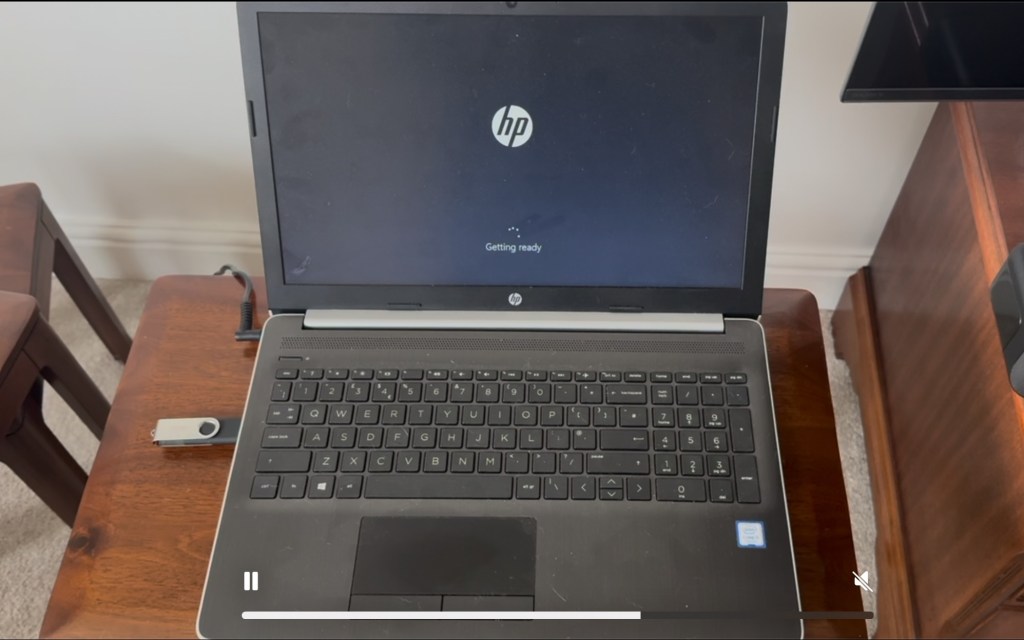
Thirdly, Steve’s laptop was a pile of poo. It was running impossibly slowly. So I cleaned up the hard drive which did not help. I emptied the list of startup programs which did not help. I tried to update Windows which took hours, got hung, and did not help. I tried to reset the Windows installation, which lasted overnight, eventually failed and did not help. I even tried creating a clean Windows installation on a USB stick from my own PC, booting the laptop from that and building a “bare metal” installation. This appeared to succeed but ultimately built a laptop that was just as slow and unusable.
So here’s where my 30 years IT experience came in useful. Sometimes at work you had to know when it was time to stop banging your head against the wall, and throw the problem away. So I encouraged Steve to buy a new budget laptop. Two hours later I had got it set up, updated Windows, the BIOS and all the apps, installed Zoom, Teams, Antivirus and some Office software and it was ready to go.
I even found out things such as how to disable the new S Mode which stops you installing non-Microsoft apps. I may be getting out of date since I retired, and I may be a grumpy old man, but it is good to know that I still enjoy learning.
What I still don’t know is what was wrong with Steve’s old laptop? Any ideas?
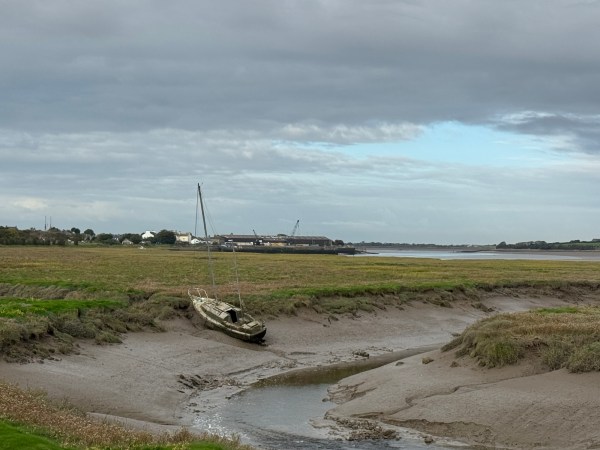
I went on a lovely linear walk this week – part of the Lancashire coastal path from Glasson Dock to Lancaster. It was a beautiful autumn day – cold and crisp with watery sunshine.
I used to do a lot of linear walks. Mandy drops me off, meets me half way and then picks me up. In my time I have done the Pennine Way, Coast to Coast, Cotswold Way, Ridgeway, Cleveland Way, Hadrians Wall, most of the Southern Upland Way and many others. There is something that is very good for my head, walking with the dogs with my airpods plugged in, listening to podcasts or music, and watching the world.
Unfortunately both the eleven year old dogs and I have slowed down as we have got older, and Ziggy in particular has cancer and is not able to walk very far. She still suffers from fomo and mostly refuses to let me go without her, so this time Mandy picked her up early. Lulu and I then completed the walk at a slightly faster pace
There is talk with my sister in law of us attempting the North West Way over the next year. That is a serious 205 mile walk, incorporating some of the most dramatic parts of the Ribble Way, Pennine Way, South Tyne Trail and Hadrians Wall. I will have to get fitter if we are to attempt it. One of the problems is that when we are on the Narrowboat most of my walks are flat. Canals only go up and down hills when there are locks.
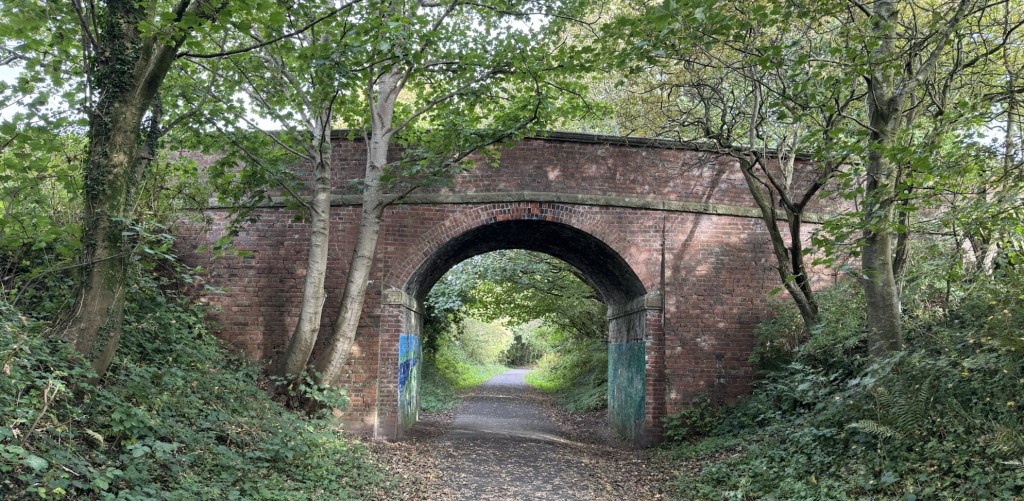
Even the coastal walk this week was flat. It followed a disused railway line that once carried goods from Lancaster Port (Glasson Dock) to Lancaster. I like disused railway walks because I can pretend I am a steam train and imagine how once it would have been to travel this route surrounded by smoke and soot, through this lovely countryside. It is probably a good thing there was just me and the dogs on this walk – no one to get embarrassed when I said “choo choo” as I was walking.
Maybe I need to put the trains to one side and get back to walking with others in the hills. It would be good for my heart, my head and maybe my social skills.
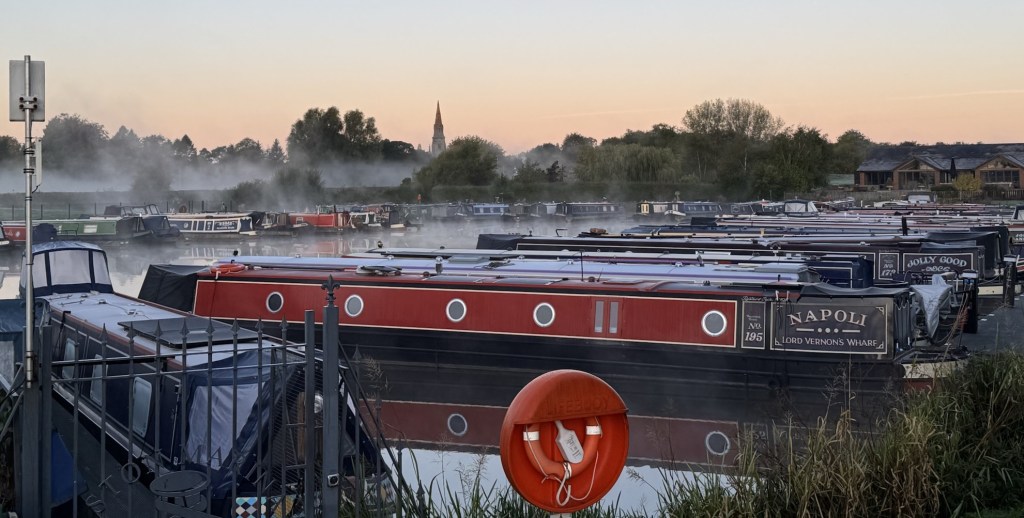
Narrowboat Thuis is back at the marina in Stone for the winter and we are back in our house in Lancashire. As always, we are a little sad at the end of this year’s adventure, but we will be back on “the cut” next year, and can look forward to the next few months of bricks & mortar life.
And I can engage in my favourite pastime of making plans. I get bored very easily and the idea of a quiet retirement fills me with dread. So we will have a couple of weeks at home, seeing family and friends and doing jobs around the house, and then we will be off to North Uist for six weeks.
North Uist is a small island in the Outer Hebrides. We have stayed there before and it will be very peaceful at this time of year. The tourists will have left and restaurants & attractions will have closed. But what will be left for the locals is simply stunning scenery and amazing nature. The weather will either be sideways rain, in which case our cottage with the open fire will be very welcome, or it will be clear and sunny with the best light in the UK. My brother in law is joining us for the first week and he is unconvinced. I can’t wait to take him to see some of the beaches and see what he says.
After the Hebridean trip it will be Christmas and maybe skiing in January. And then, all too soon, it will be February and we will be back on the boat. Come the end of this year I will have been retired for five years. Is it time to go back to a job? Not yet!
I have been writing this blog for a good few years now and I hope that followers will have learnt more than a little about our summer narrowboat adventures. So just for a bit of fun as we near the end of our 2025 trip, I thought I would do a quiz. Good luck!
What is the longest narrowboat that can travel throughout the British network? a) 58 ft b) 60 ft c) 62 ft
How many miles of navigable canals and rivers are there in the UK? a) 2700 miles b) 3700 miles c) 4700 miles
Most locks are operated using a windlass, but for the Calder and Hebble canal, what else do you need? a) a ratcheted lever b) a handspike c) a twin coiled rope
How should boats travelling in opposite directions pass each other? a) port to port b) starboard to starboard c) at tickover
When leaving a marina to join a canal, what should you do? a) check the weed hatch b) sound your horn c) display your licence
There is cheery banter on the cut between narrowboat owners and people who have boats with keels (such as motorboats and yachts). They call us “sewer sailors” and “ditch dwellers”. What do we call their boats? a) gin palaces b) airfix kits c) yoghurt pots
What is the popular Channel 4 programme that showcases eccentric narrowboat owners (many of whom we have met)? a) Narrow Escapes b) Boat People c) Onion Bargees
If you fall in a canal what is the best way to avoid drowning? a) swim to the towpath side, where it is shallower b) swim back to the boat, avoiding the dangerous propellor c) stand up
What is the name of our narrowboat? a) Notayot b) Thuis c) Serendipity
Where is our favourite mooring (where we are right now)? a) Tixall Wide b) Tixall Narrows c) The Tixall Arms
Emma Culshaw Bell from that Channel 4 series, on the Shroppie last week
And the answers are:
1. The longest narrowboat that can travel throughout the British network is (a) 58 ft
2. There are (c) 4700 miles of navigable canals and rivers in the UK. We must have travelled over 3000 I think.
3. To operate the Calder and Hebble locks you need (b) a handspike
4. Boats should pass each other (a) port to port
5. When leaving a marina to join a canal, you should (b) sound your horn
6. We call keeled plastic boats (c) yoghurt pots
7. The popular Channel 4 programme that showcases eccentric narrowboat owners is (a) Narrow Escapes
8. If you fall in a canal, the best way to avoid drowning is to (c) stand up. Most canals are less than four feet deep.
9. Our narrowboat is called (b) Thuis
10. Our favourite mooring is (a) Tixall Wide
How did you do? Any scores over five are pretty impressive I think.
It really feels that as we have entered September, we have entered autumn. I am waking up in the dark for the first time since March. It rains every day. I am wearing a top as well as a t shirt. I have even started wearing jeans instead of shorts.
So what is good about narrowboating in autumn?
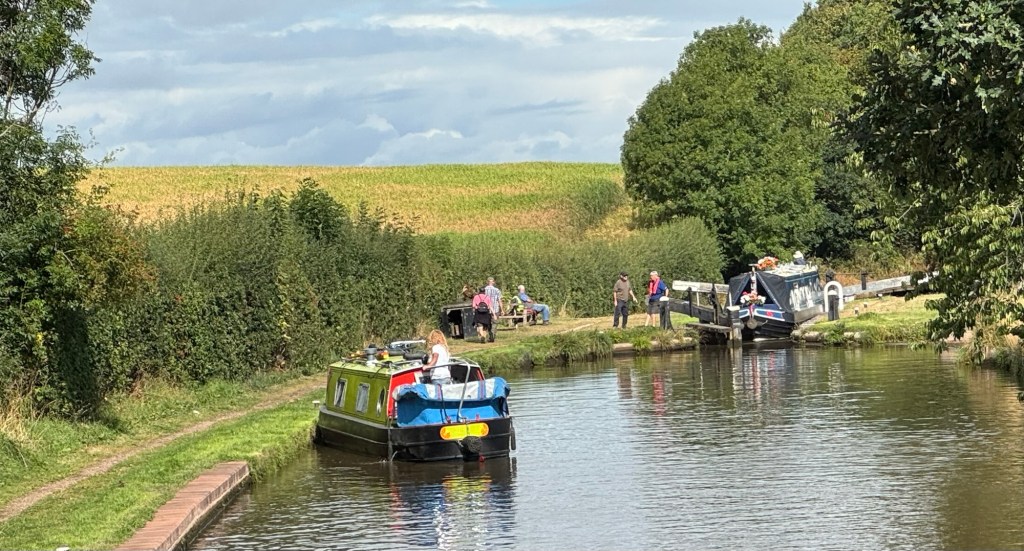
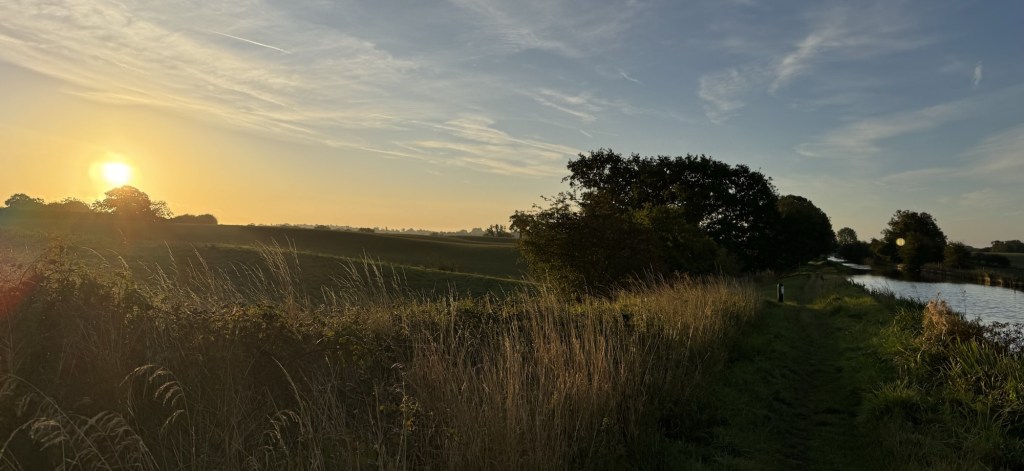
Well one thing is the light. The sunrises and sunsets are just so beautiful. We are currently traveling in the middle of the Shropshire countryside and I look forward to walking the dogs each morning.
Another thing I love is my fellow boaters on the canal. I enjoy boating with the novices during the summer. But it is great at this time of year when my fellow boaters have a little more experience and knowledge. I spent an evening in a proper boaters pub yesterday, geeking out about the life with people who have lived on board since childhood.
And finally, best of all in autumn the insects start to die off. The sunny days have been nice this summer, but the horse flies and wasps less so. I have a boat full of spiders, which helps, but a few frosts will help even more.
But as we head towards winter, there is one thing I am not looking forward to, and that is muddy towpaths. Narrowboats are easy to clean, because they are small, but it is an uphill battle when the dogs bring in their dirty footprints every time they go out.
So what is in like in the “real” world? Are you enjoying autumn too, or missing the sun?
It has been a funny old week. We have continued our journey northwards on the Shropshire Union. We have had some lovely days including one down the Audlem flight of 15 locks, but it has generally been wet.
Narrowboaters are famous complainers. We have spent all summer complaining that there is not enough rain to fill the reservoirs and canals. And then these past two weeks we have been complaining about there being too much rain to travel in.
And then I got sick. I am not good at being sick. In general my belief that I do not get sick has served me well over the years, but there are times when the world of reality overwhelms my positive mindset. This week was one of those occasions. A pain in my back developed into aches all over and then an upset stomach that is not suitable for description in a blog.
Fatigue has been the biggest problem. Yesterday I slept for around 20 of the 24 hours.
So what has it been like being ill on a boat? In all honesty I would rather have been in a house. The little irritations of boat life seem worse when you are out of sorts, and I would rather hide away in the most comfortable space I can find. However, I think I have turned the corner now and looking out of the Narrowboat window into the countryside, it is not a bad place to recover.
A lot of people ask us if it is boring to live on a narrowboat. I think they assume that when we are moving so slowly we don’t have to concentrate. And when we are moored, there is nothing to do. So how come we are all feeling tired this week?
I think there are three reasons. Firstly when you drive a narrowboat, even at 3mph, you have to concentrate the whole time. The boats seem to have a mind of their own and after few seconds lacking attention you can be pointing at the canal bank, another boat or more likely a bridge. I love it because you also see wonderful nature and industrial heritage, and every day is different. But all that fresh air can be tiring.
Secondly there is always something to do when we moor up. Perhaps it is fixing something, doing general maintenance, or the day to day tasks of shopping, filling up with water, greasing the stern gland. There is also plenty of time to read, watch TV or even write a blog, but it can be tiring.
Finally this year there is always the nagging concern about canal closures. More than half the network is closed now due to low water levels, and even though we have chosen a route for our final trip of the year that navigates the most reliably wet canals, rumours abound amongst the boating community that where we are now may also suffer. We really don’t want to find ourselves isolated, miles away from our home marina.
So yes, narrowboating can be tiring. But it is a good tiring and one where I fall asleep each night, looking forward to the next day.
We are back on Narrowboat Thuis for the next five or six weeks. It will be our last trip of the year so we need to decide where to go. Normally there would be a great deal of choice with thousands of miles of interconnecting canals and rivers. But this year the water levels are so low that many canals are now closed, and the Canal & River Trust have warned us that worse is to come.
There seems to be only one route where we can be sure of water – across the Staffordshire & Worcester to Autherley Junction, north on the Shropshire Union and then west on the Llangollen and maybe north to Chester. The “Shroppie” and Lllangollen in particular are used to carry water for people so will not be allowed to drain out. We can hope for rain to open other canals, but the reality is that we will need to wait for a wet winter to fill the reservoirs and canals back to normal.
The downside of this journey is that we have done it many times before. The upside is that there is a reason we have done it so many times – because we love it. We are hoping for stunning sunsets, peaceful moorings, places to visit, maybe even a couple of canal side pubs!









 Pete's Blog