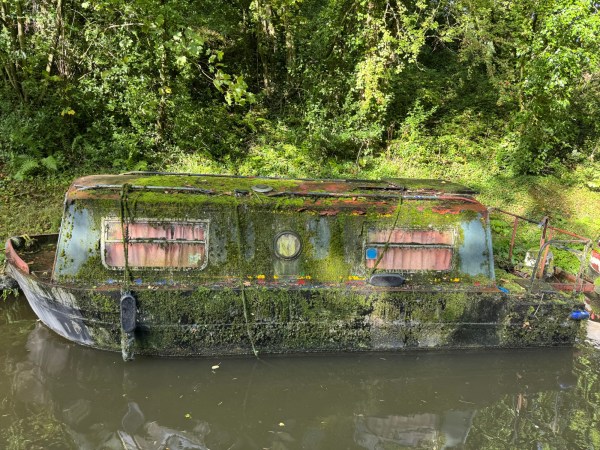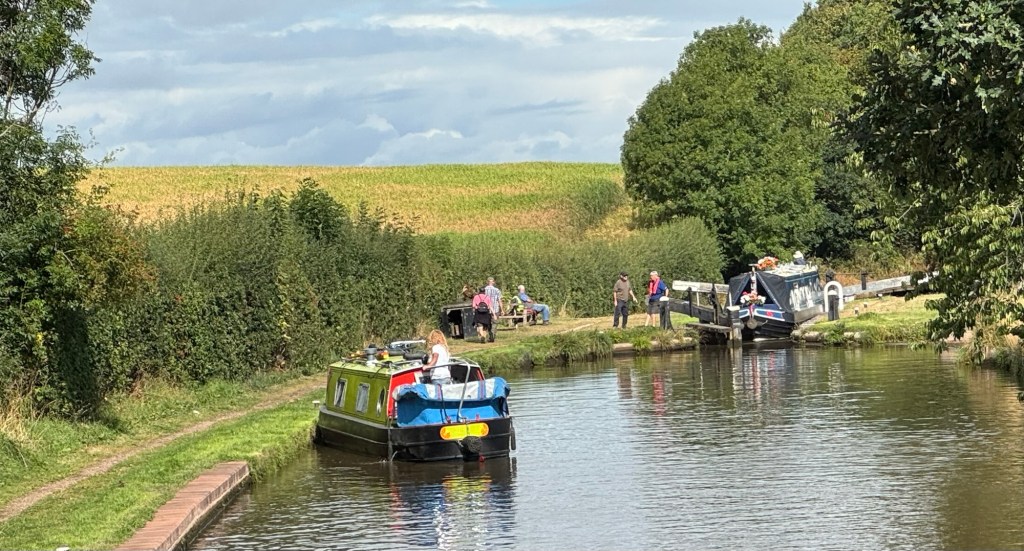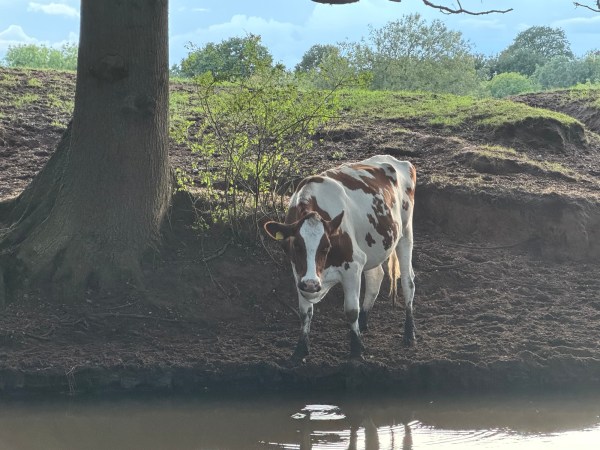
Where shall we go for our last boat trip of the year?

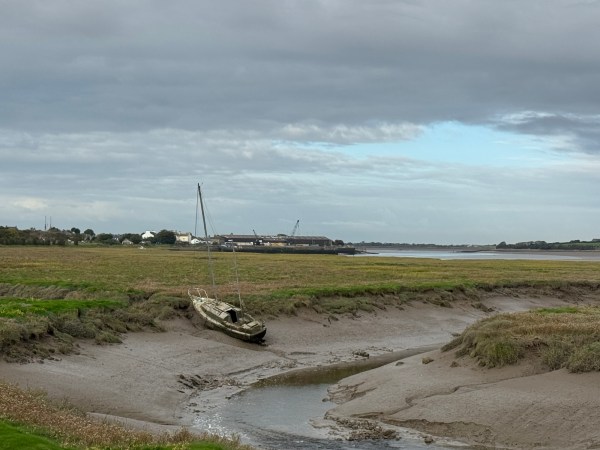
We are back on Narrowboat Thuis for the next five or six weeks. It will be our last trip of the year so we need to decide where to go. Normally there would be a great deal of choice with thousands of miles of interconnecting canals and rivers. But this year the water levels are so low that many canals are now closed, and the Canal & River Trust have warned us that worse is to come.

There seems to be only one route where we can be sure of water – across the Staffordshire & Worcester to Autherley Junction, north on the Shropshire Union and then west on the Llangollen and maybe north to Chester. The “Shroppie” and Lllangollen in particular are used to carry water for people so will not be allowed to drain out. We can hope for rain to open other canals, but the reality is that we will need to wait for a wet winter to fill the reservoirs and canals back to normal.

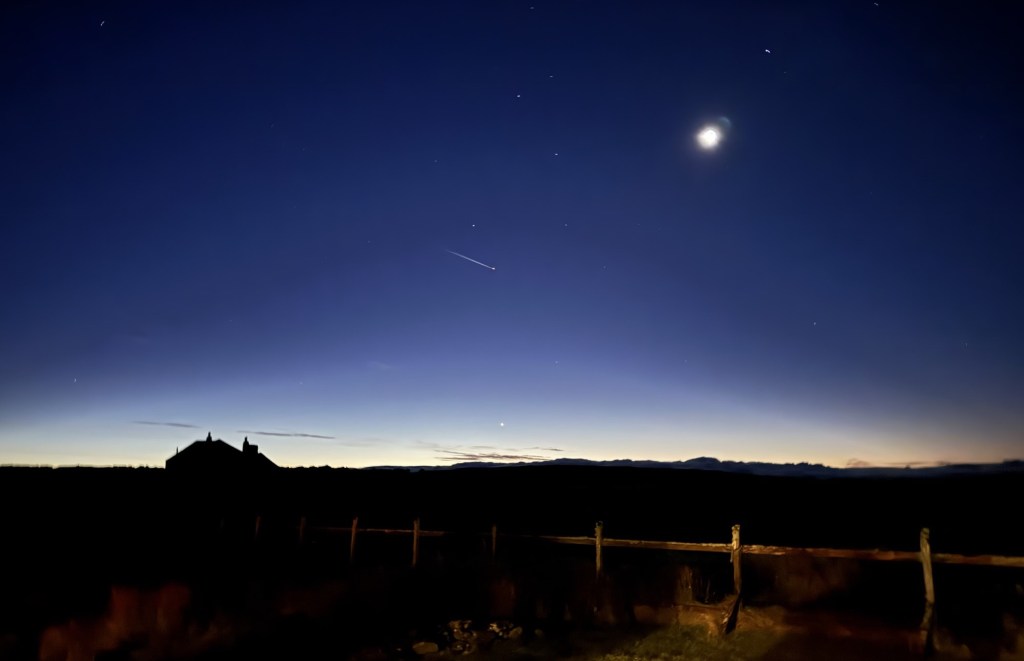
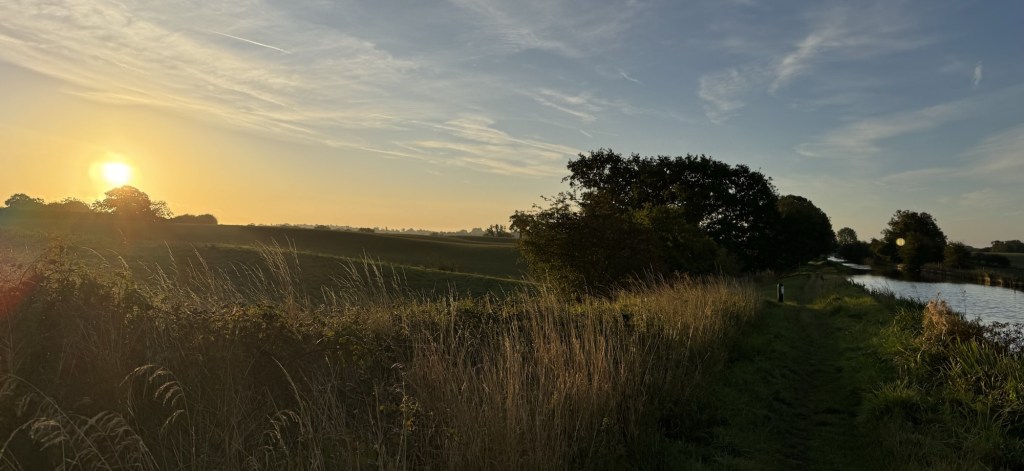
The downside of this journey is that we have done it many times before. The upside is that there is a reason we have done it so many times – because we love it. We are hoping for stunning sunsets, peaceful moorings, places to visit, maybe even a couple of canal side pubs!

Stay tuned to find out how the trip goes.

Maybe wild swimming isn’t as bad as I thought

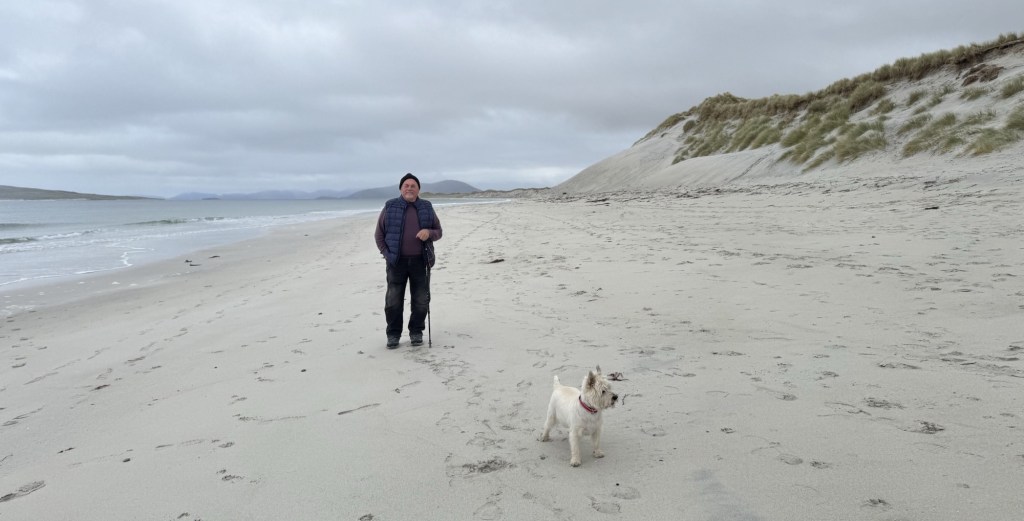
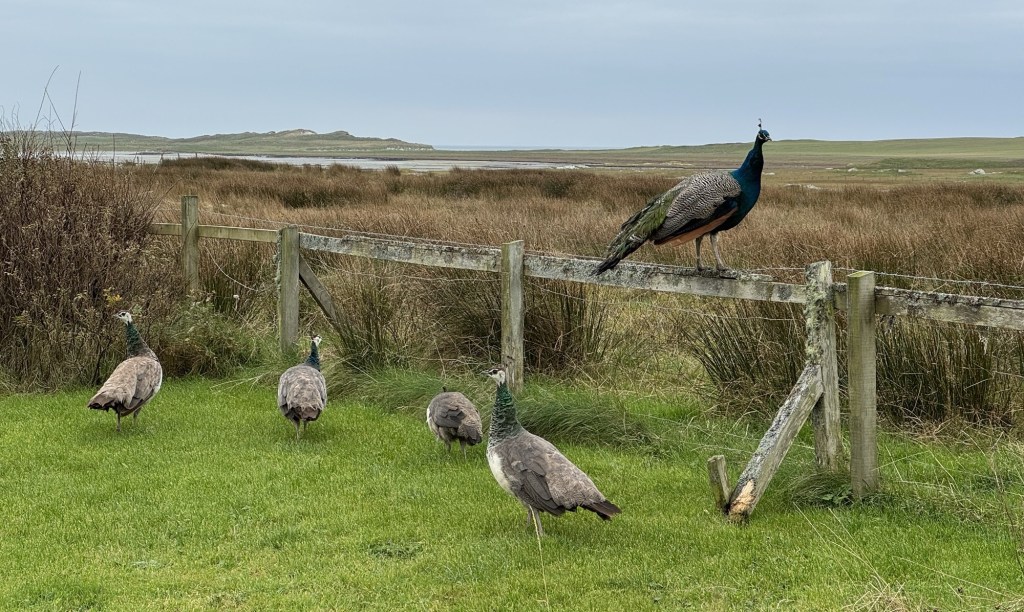
This week we have been on holiday in Scotland, staying on our niece’s farm. It has been lovely to be back in Scotland. While we love our house in Lancashire and our summers on Narrowboat Thuis, we have both missed this wonderful country, and the family and friends that live here.

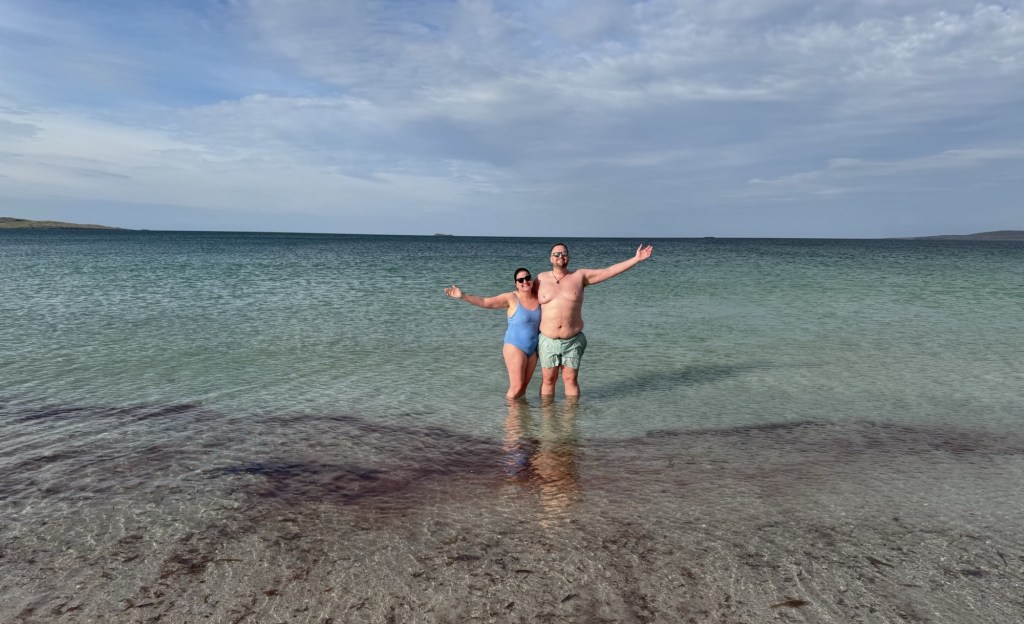
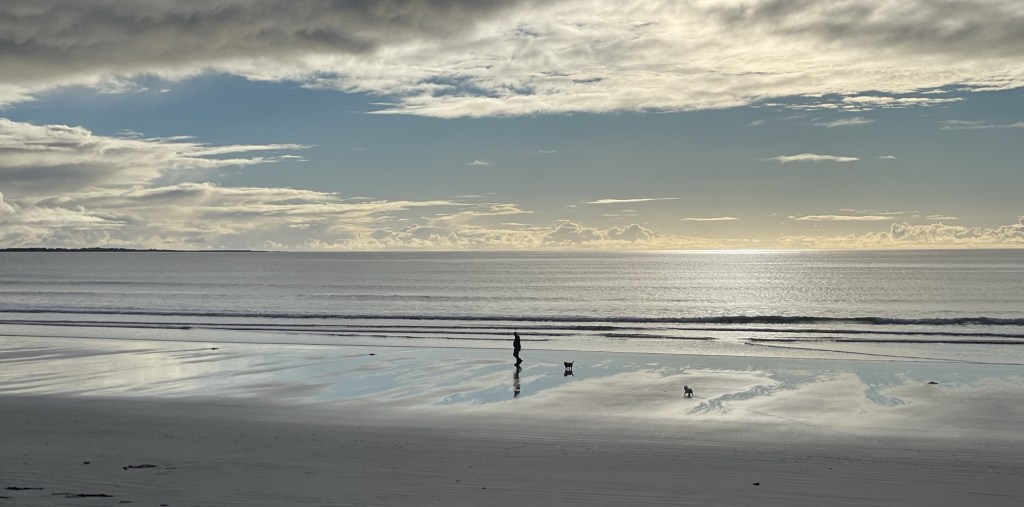
We have had many adventures this week. Ten Pin Bowling, Stately Homes, beach walks with the dogs, eating Polish food (it’s a long story), Lammas Fair, family meals, celebrating our 39th wedding anniversary, watching a herd of cows being moved, listening to the very noisy sheep. But my most scary adventure was going dipping with our son Martin (Tin) and his girlfriend Cheryl.

Tin and Cheryl are big fans of wild swimming. All year round they seek out waterfalls, lakes and lochs to dip in. They have amazing countryside in Scotland and they say that going in cold water is invigorating and great for the health. It has never appealed to me.

But on Saturday, Tin had booked a visit to a beautiful country park for four people, where they have a sauna next to the lake. The two people that were meant to join Tin and Cheryl were unable to come so they invited Mandy and me.

Cheryl and Tin jumped straight in. Mandy found a shelved area to slowly immerse herself. And I stood on the edge of the platform for a good ten minutes, trying to build up the nerve to jump. Eventually I made the leap and the shock of the cold water took my breath away, even though it was a warm sunny day.

But I soon warmed up in the water and it did feel good. We then alternated time in the very hot sauna with leaps into the lake. I felt a little dizzy but I was enjoying myself. And best of all, for several hours afterwards I felt energised.

So while I am not sure I will ever become a dipping fan in the way that Tin & Cheryl are, I would do it again, especially during a heatwave. I guess it goes to show that even at 61, every day is a school day.

Is this the best way to spend a Wednesday?

This Wednesday I spent the day with my brother in law Stephen, and nephew Noah at “The Hundred”. I have written about this event in previous blogs. It is a very short form of cricket, where each match takes only a couple of hours – a bit different from the traditional 5 day test match.

There are pros and cons of each form of cricket and I like all of them. I have very happy memories of spending a day at a test match when very little happened all day. To use the modern phrase, it was “mindful”. I ended up in an almost meditative state.

By contrast the men’s match this Wednesday required full attention. The motto of The Hundred Is “every ball counts” and in this match it was very true. The game between the Manchester Originals and Southern Braves swung each way and the other and with the final few balls to go, there were still four possible outcomes. The Braves could have lost their last two wickets and been all out, the Originals could have had the most runs, the Braves could have had the most runs, or it could have been a tie. What a match!

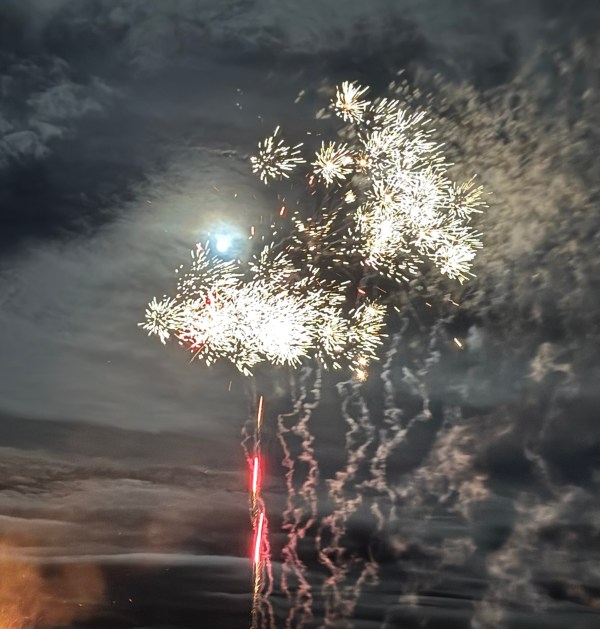
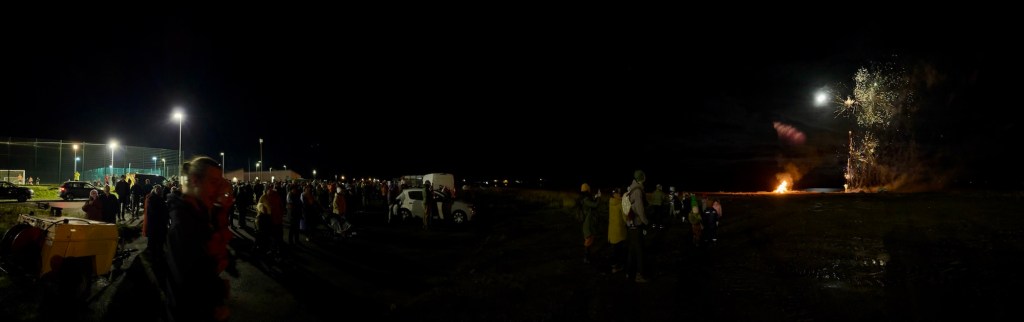
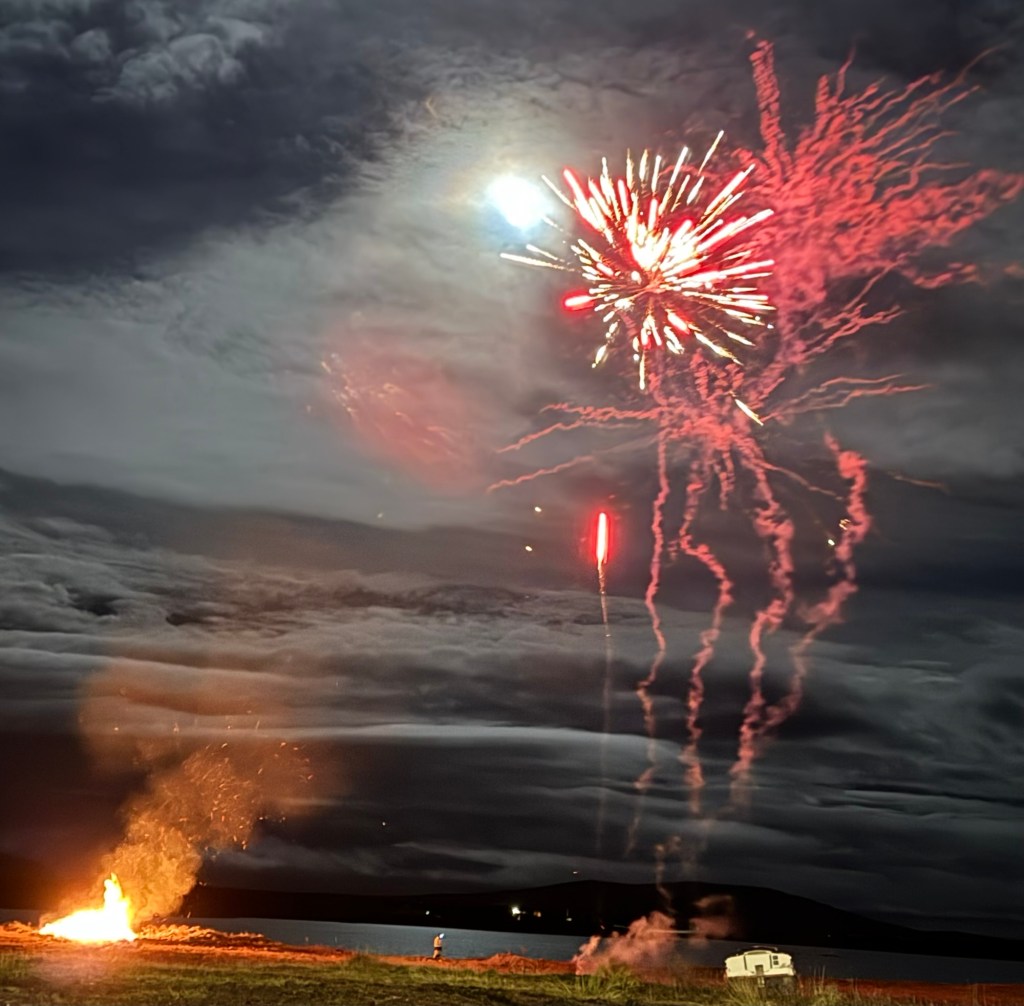
But another reason I like The Hundred is that it is a proper family day out. There are many more children and women than at traditional cricket matches. There is a singer in the breaks, a DJ to get us all worked up, a band of drummers, and even fireworks. We took a picnic and drank beer (non alcoholic for me because I was driving). For various transport reasons we had a dreadful journey home, but I still went to bed with a big smile on my face after an awesome day.

The best news of all is that I get to do it again Saturday week, when I join my brother and family for our annual pilgrimage to see the Invincibles play at the Oval. And even better, my Oval Invincibles shirt will be a bit less out of place than it was on Wednesday.

What has been your best day out this year?

Ten things to look for in a good marina

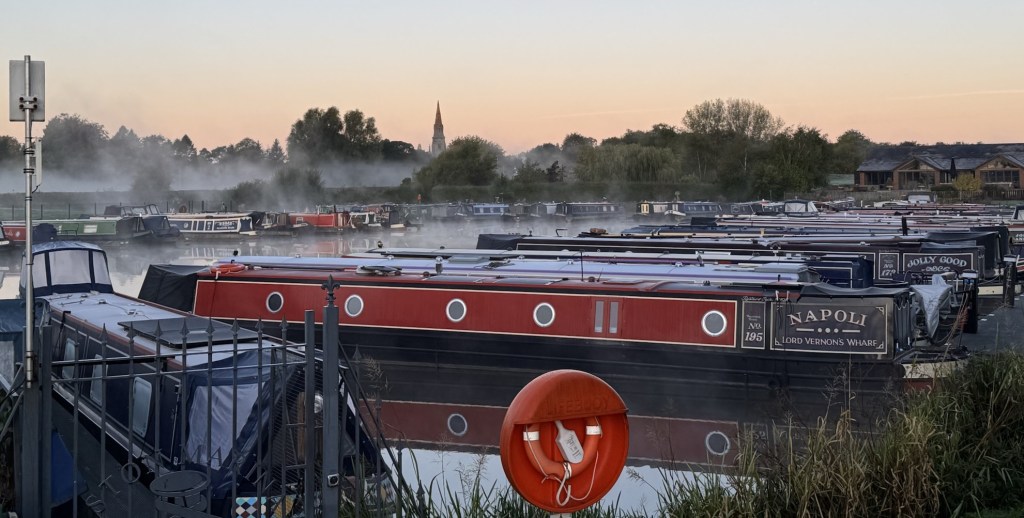
We are currently moored at Aston Marina, in Stone, Staffordshire. We have moored in many marinas over the years and this is our favourite. So what is it that makes a great marina for us?

  1. Location location location. The canal network is extensive and there are marinas all over the UK. For people that work it is important to have a marina nearby. For us, it is important to have a marina near the middle of the network so that we can get anywhere.
  2. Reasonable prices. It is never cheap mooring n a marina. Even basic canalside moorings can cost over a thousand pound a year, and good marinas are quite a lot more. But there are some marinas near fancy places like Henley or Windsor that cost a ridiculous amount – because they can.
  3. A laundry. We have a washing machine on the boat but before we had it, the marina laundry was invaluable and we still regularly use the tumble drier.
  4. Toilets. Sorry to bring the blog tone down but the toilet on the boat empties into a tank that we have to pump out. I prefer to use someone else’s facilities when I can.
  5. A pub. We are spoilt on the UK canals in that there are many pubs along the way so that if we do not fancy cooking we can get a meal and a beer overlooking our mooring. Marinas without pubs can be a bit isolated.
  6. Moderate wind. Narrowboats have long flat sides that act like sails when the wind catches them. On canals and rivers you usually have protection from cuttings and trees, but some exposed marinas are almost impossible to navigate in. So a marina with hills around is always preferable.
  7. Appropriate rules. Without rules, marinas become mess. If one boat gets away with building a pretty garden next to their boat, within months there are things being dumped all over the marina. There are rules that we don’t like. At Aston we are not allowed to dry washing on our whirlygig. But at least the rules are fair.
  8. Security. In general we feel quite secure on the boat, but when we have to leave it for a few weeks, we worry that it might be broken into. Good marinas have the boats on secure jetties behind locked gates that only boat owners can open.
  9. Friendly boat owners. We have stayed on marinas where there are cliques of boat owners that spend their time whinging about others. At Aston we have found just about everyone friendly and helpful.
  10. Friendly marina managers. We have also stayed at marinas where the managers do not understand boating or boat owners, and treat it as “just a job”. Sadly this can be particularly true at large chains of marinas. Great managers uphold the rules equally and are always ready for a chat and to help out.

It is often said that people considering buying a Narrowboat should find a mooring before they look for the boat because good ones are like hens’ teeth. certainly we were on the waiting list for Aston for nearly two years, while we overwintered in other marinas. And for us, it feels like home.

How many tests are needed to tell me that my eyes are deteriorating?

I have had so many eye tests over the past two weeks. And they have not finished.

It all started with a simple test at Preston Specsavers. I use glasses for distance and reading but have not had a test for five years so I thought it was about time. The test was free with the NHS but they asked if I would like to pay £5 for an eye health test while I was there. I thought “why not?”.

The traditional test with me reading increasingly small letters went well. My reading eyesight is slightly worse and my distance sight is slightly better but nothing to require me changing my glasses, so good news.

But the eye health test was more comprehensive. They puffed air at the eyes, took photographs of my retinas and got me to do a field test where I clicked a button every time I saw a light in the periphery of my vision.

This last test showed some anomalous results so they got me to repeat it two more times and had a computer analyse my optic nerve scan. The ophthalmologist was still not happy so referred me to a glaucoma specialist to come back the following day

So day 2, I came back and did another raft of tests with fancier machines. I had eye drops to dilate my pupils, coloured dye in the eyes, lights in my eyes, a better field test, and more precise scanning of my eyes. This time the field test came back clear, but one of the computer analysed images showed potential thinning of the left optic nerve. This was odd because if it was glaucoma we would have expected the eye pressures to have been high on the puffer test, and missing areas on the field test. So the glaucoma specialist decided I needed to be referred to a more advanced expert.

I was expecting months to wait but I heard back in days and had an appointment with another optician, in Lytham, for yet another field test. I called to check whether this was really necessary because I had already had four of these tests, but was told that because I was now seeing people from CHEC (Community Health Eye Care) I had to do their tests.

Two days later I was back with a consultant , this time in Blackpool. More eye drops, more eye exams, more detailed pressure tests and cornea thickness measurements. The result – guess what – I need more tests. Apparently I am a Glaucoma suspect but not a Glaucoma patient. The symptoms are something called “cupping” in the left optic nerve and could be caused by short sightedness when I was a child. I will need to wait another 6 weeks but need better scanning of the optic nerve and unbelievably yet another field test!

Maybe I should be grateful for the NHS and that I can get so many tests for free. Maybe I should be grateful that I am retired and can take whatever time I need for appointments. But I have to think that there has to be a more efficient way to diagnose common eyesight problems for oldies like me.

Hey – I am in a Facebook group called “Dull men’s club”. Would this week’s post be suitable?

Is this the year when flying things take over the world?

It has been a very dry start to the year, and often a hot one. This week we have had a few days of rain which are very welcome for gardens and for canals although we will need literally months of rain to fill our reservoirs again. But one thing the rain does seem to have done is to bring out the flies and wasps.

Fortunately the flies have not quite grown this big

It is like we are all living in a jungle. Small flies, big flies and worst of all those horrible horse flies that cover my legs and arms with itchy lumps as they munch their way through me. And wasps – so many wasps buzzing around and annoying the dogs.

We have been trying all sorts of things to prevent these insects. Citronella has no effect. Mandy’s home built sugar trap has trapped nothing. We have ordered some peppermint oil to spray around but I have little confidence. My window frames are covered in tin drops of fly poo. Yuk.

I have seen many dire warnings of the impact of climate change – fires, floods, heat waves. But the world being taken over by flying things is a new one.

Do you have any good solutions?

Why would a village be proud of being “boater hostile”?

Earlier this week we travelled on the North Oxford canal through a village called Ansty in Warwickshire. I was ready to moor up for the day so was looking for a nice stretch of armco to tie up to, with good views. Unfortunately though the whole village there were “no mooring” signs every few metres along the canal.

This is very unusual. We boaters have many rights from hundreds of years of boating and one of them is a right to moor on the towpath side of almost every canal. Sometimes there are short term moorings in the centre of towns where you can just stay for a couple of days. Sometimes there are long term moorings where boaters pay to moor permanently. But mostly you can stay pretty much anywhere for up to 14 days.

So why is Ansty to anti boat? Their Parish Council website front page claims that the village is the most boater hostile on the network but does not explain why.

All I can think is that the canal goes through the village on an embankment and so boaters can see into the upstairs bedrooms of the nearby houses. But that is true in many many parts of the canal network and besides the canal would have been there two hundred years before these houses were built so why not just use curtains? Besides which, we boaters get very used to gongoozlers peering through our windows.

We are very privileged being allowed to moor in the most beautiful parts of the UK so I am not complaining too much, but I won’t be visiting Ansty again any time soon.

The perils of narrowboating in a drought

We have been tootling along the Oxford Canals this week. It has been a little disappointing because we have had to turn around before reaching our destination.

We had hoped to make it to Oxford, city of dreaming spires. It is a beautiful town and a lovely route to get there through canal history in Banbury, Aynho and Thrupp. We would have been able to catch up with our friends Martin & Saskia and my Aunt Dorothy. I was really looking forward to it.

Unfortunately there is a drought in this part of the country. There has been very little rain since February and the Canal & River Trust (CRT) are really struggling to maintain water levels so that boats can continue to navigate the canals.

The photo above shows one “pound” between two locks where we completely grounded this week, and had to wait for a CRT chap to let water down to us before we could continue with our journey.

We have seen more and more notices from CRT about lock openings being restricted and canals closed because of lack of water. I am pretty confident we would have made it down to Oxford but the big risk was that the South Oxford Canal, already 30cm down, would be closed for months and we would not be able to get back.

So at Fenny Compton we winded the boat (turned it around) and are now heading back to the Midlands, hoping that we will not be held up too much. I reckon if we can get through the Atherstone flight of locks in a few days time, we will be OK.

I am well aware that such inconveniences from Climate Change are nothing compared with people losing their livelihoods and even lives in fires and floods. But it is a reminder in our little bubble that the world is changing.

On a brighter note we did see one solution to dry canals:this week.

We saw this narrowboat landlocked in a field. The owner has cut a small canal into his land, moved his boat into it and then filled the canal in behind him. This means he can live on the boat near the canal without paying a licence to CRT. He even has his own greenhouse to grow food. It is not what I boat for. I love the travelling. But it is one way to deal with droughts!

I don’t miss work, so why am I crying?

I have been retired now for 4½ years. I can honestly say that during that time I have never wanted to go back to work. I am a very lucky person to be able to enjoy a retired life travelling on Narrowboat Thuis around the canals and rivers of the UK. During the winter I get to go on long holidays and enjoy just having time.

So why this week did I find myself with tears rolling down my cheeks after finding an old work email?

Don’t get me wrong. I really loved working. I was passionate about work and passionate about my team. We worked hard, made a difference and had fun. Many work colleagues could not believe I was retiring early because I threw myself into everything I did.

The truth was that a few years earlier a friend had passed away and it had made me and Mandy re-evaluate everything in our lives. We had the opportunity to take some of those adventures we had always talked about and so with a bit of financial planning we moved on.

But when I was going through some old emails this week I came across the leaving video that my team had made for me when I retired in December 2020. It was a stark reminder of Covid, with everyone at home under lockdown, but each of them said some very lovely things about me and I realised that while I do not want to go back to work, I do miss being with my team.

So I raise a glass this week to GB, Gopal, Jamie, Jude, Kathy, Linda, Matt, Mike, Nat, Om, Prerana, Si, Toni, Veerle and all my previous teams. It was always a pleasure and I miss you.

Why does the Coventry Canal have a gap in the middle?

We are travelling towards Oxford on Narrowboat Thuis. That means navigating the Trent & Mersey, The Coventry, the North Oxford and finally the South Oxford Canals. It will take us about three weeks. There is one complication in this route. The Coventry Canal starts at Fradley Junction and travels down to Coventry city centre. But there is a gap of a few miles in the middle.

The good news is that this gap is filled by a chunk of the Birminghams and Fazeley Canal. Why?

In a week in which the HS2 train scheme overran yet again, it is reminder that in history nothing changes. In 1768, at the height of canal building mania, a group of rich entrepreneurs got together to build the Coventry Canal, with the aim of connecting Coventry to the Bedworth coal fields and then the Trent & Mersey Canal at Fradley junction, joining Coventry to the North of England. They employed the greatest canal engineer of the time, James Brindley, who had previously planned the Bridgewater, the Chester, the Trent & Mersey and the Staffordshire & Worcester. Everyone was very optimistic.

At first, everything went well and in just a year they were bringing cheap coal from Bedworth to Coventry. But then the money began to run out and by 1771 they had sacked Brindley and gone bust. Eventually more money was found but it took till 1790 to extend the canal to Fazeley, where by that time the Birmingham and Fazeley canal had been built, connecting Birmingham to the Trent & Mersey at Whittington Brook.

Around the same time the Oxford Canal was completed, connecting the Coventry to Oxford and hence London on the Thames. This was immensely successful and at last the shareholders began to make money, big money. They wanted to realise their original plans, and were able to buy the stretch from Whittington Brook to Fradley from the Trent & Mersey. But the Birmingham and Fazeley refused to sell.

So there we are today, with the Coventry Canal split in the middle.

I love canal history. Our life today was enabled by a small number of entrepreneurs who lost or gained fortunes. And by thousands of poorly paid navvies, cutting the navigations with picks and shovels.

We are so lucky to be able to enjoy the fruit of their labours. And to remember their sacrifices.

Blog at WordPress.com.

Up ↑