Ten reasons I am so happy to be back in Scotland

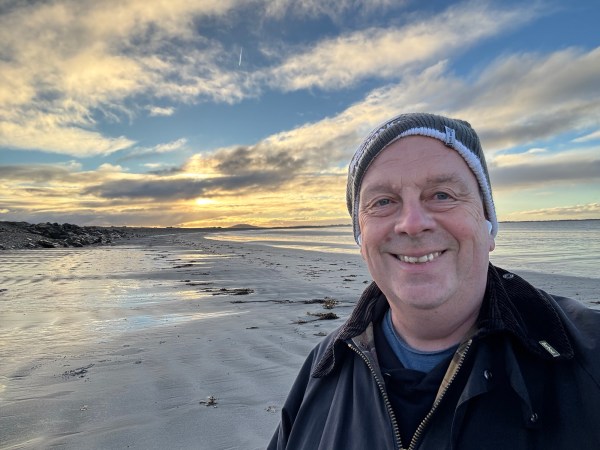
We are having a week’s holiday in a cottage in Linlithgow this week. The cottage is sadly quite run down, which is disappointing, but despite that we are having a really wonderful time. Here are ten reasons I am so happy to be back in Scotland.
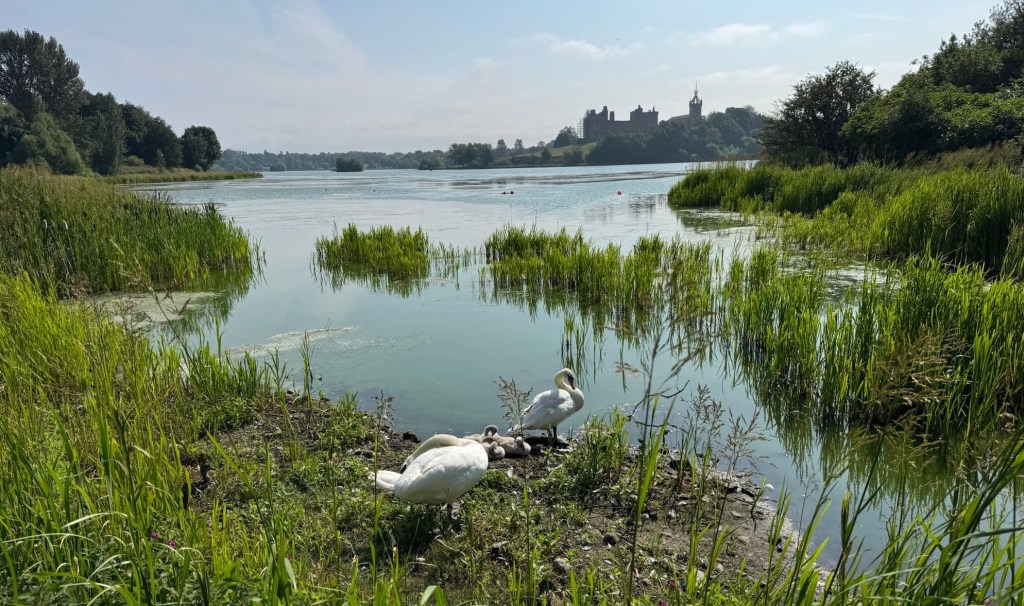
  1. It feels like home. As soon as we crossed the border there was an intangible feeling of relaxation. And as we got closer to where we used to live in West Lothian, we kept seeing memories that reminded us what a great place this is.
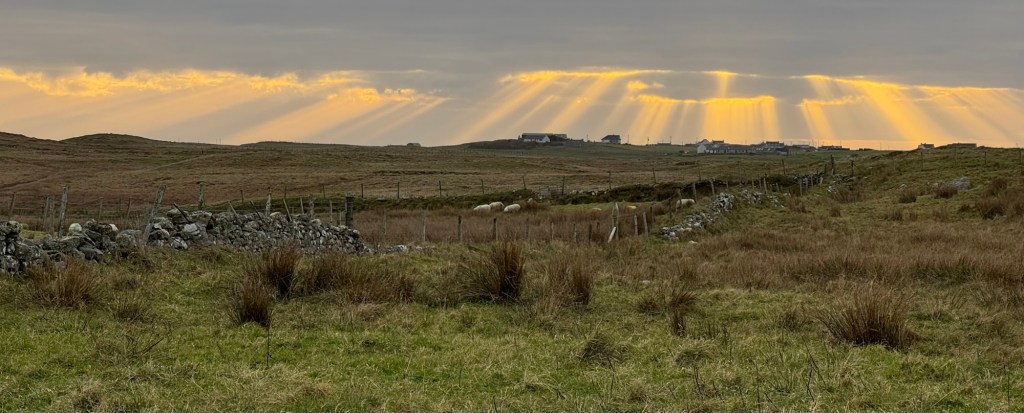
  2. The countryside is stunning. Our bricks and mortar house is on the Fylde and these are many pretty areas, including the beach and the Trough of Bowland. But Scotland is simply more dramatic, with hills and lochs. We love it.
  3. We like the Scots. While many of them may have incorrectly supported Argentina in the recent football game, we find Scottish people friendly and helpful. I am not surprised the Americans loved them so much in that same football competition.
  4. Our son and family live here. The main reason to spend a week here this time, was to spend time with Martin, Cheryl, Leah and Nathan. We have the challenge that one of our sons lives near Brighton, and the other in Scotland. We live half way between them, but the trouble is that means we are too far from both of them. It has been lovely to share time with M, C, L, N this week, and we hope to have proper time with Robbie and Alessa in a few week’s time.
  5. Leah and Nathan are the closest thing to grandchildren we are likely to find. Unfortunately Robbie and Tin (Martin) are unlikely to have their own children, but Cheryl’s kids are wonderful to send time with. Leah (16) is turning into a proper artist, with every type of craft, from yarn to paint. Nathan (12) is passionate about football. We have loved spending time with them.
  6. We lived in Uphall for nearly ten years, and made some good friends. This week we also went up to the farm in Fife, to have fish and chips with our niece Rachel, her husband Rob and children Fred and Thomas. We always love their company.
  7. It is cooler than England. The UK is in the middle of yet another heat wave, but Scotland is further north and has been pleasant rather than oppressive. Still warm enough for shorts and t shirts but not so hot we have to seek out shops with air con.
  8. It has the infrastructure of a large country, but the population of a small one. That means you can find anything here that you want to see or do, but the roads are quiet, the footpaths are quiet and no-one seems to be in a hurry.
  9. I love the history. Whether it is remembering the English defeat in the interactive museum at Banockburn. Or trying to visualise what it would have been like in a mining village in Lothian. Or admiring the fine streets of Edinburgh or Glasgow. There is always something to engage the brain cells.
  10. It is a nation of many identities. Every town or area of Scotland seems to have its own accent and own culture. Edinburgh is quite different from Glasgow, despite being a few miles apart. The islands are different from the mainland. The Hebrides are different from the Northern Isles. The Outer Hebrides are different than the Inner Hebrides. Lewis & Harris are quite different from Uist and Eriksay. Round every corner there are new people to meet and new things to learn.

I am not saying the Scotland is perfect. The diet for instance is not the most healthy, but once in a while a battered mac ‘n’ cheese pie roll is just what you want. And why not?

We are back down to England next week, but will return to Scotland in the Autumn for a month near Pitlochry. I think one day, when we no longer use Narrowboat Thuis, we may move back for good. What a lovely place.
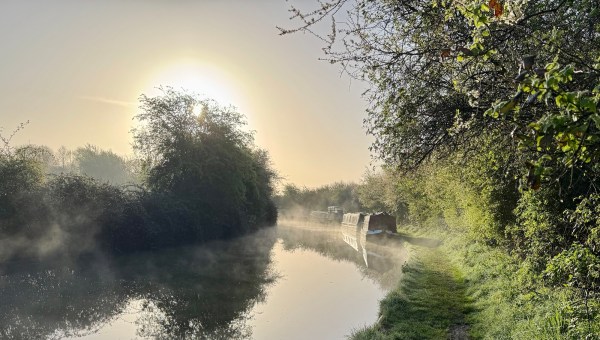
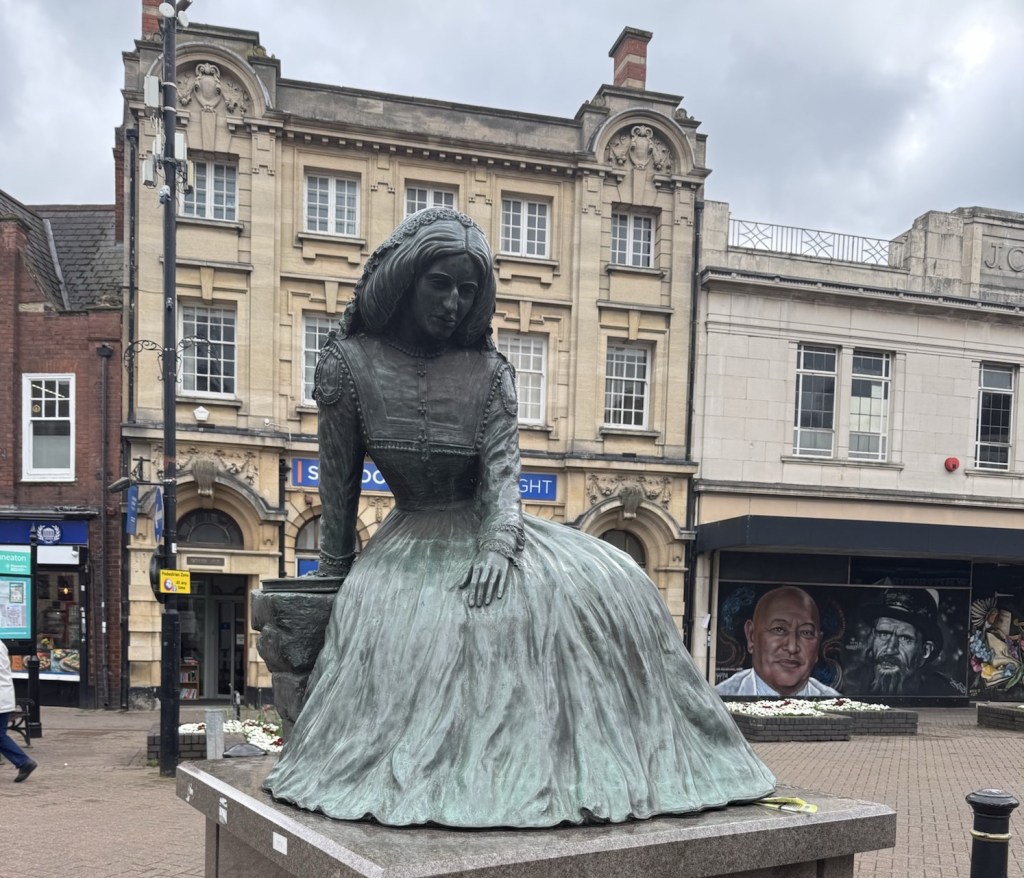
Is Nuneaton the saddest town in the UK?

One of the joys of cruising on a Narrowboat is spending time in the places we visit. For instance on this trip I had a fascinating day uncovering the history of Banbury, and a wonderful afternoon immersing myself in the delights of the Ashmolean Museum, Oxford.

So on Wednesday when we were moored near Nuneaton, I hopped on a bus to find out more about the town. I asked the lady sat next to me on the bus what I should see and she laughed. Others around us quickly joined in, and told me that there is nothing to see in Nuneaton anymore, except a statue of George Eliot in the town centre.

Nuneaton used to be a thriving market town. Situated near Coventry and Birmingham, and with good canal, train and road links, it was one of the largest towns in Warwickshire. Originally based around ribbon weaving and coal mining, it was also famous for hat making and leather work (especially shoes). The town centre was largely destroyed by bombing in the Second World War, and was completely redeveloped in the 1960s, with an inner ring road, shopping mall and department stores.

And it has pretty much all gone. The factories and mills have closed. The department stores have gone bust. The beautiful mall is full of boarded up shops. The market is a shell of what it once was. Such a sad town.

But the people I met were friendly and positive. I found a great café for breakfast, and all the locals wanted to talk to me about life on a boat. So, possibly the saddest town but not the saddest people. Good luck to them.

Is family tree research too intrusive?

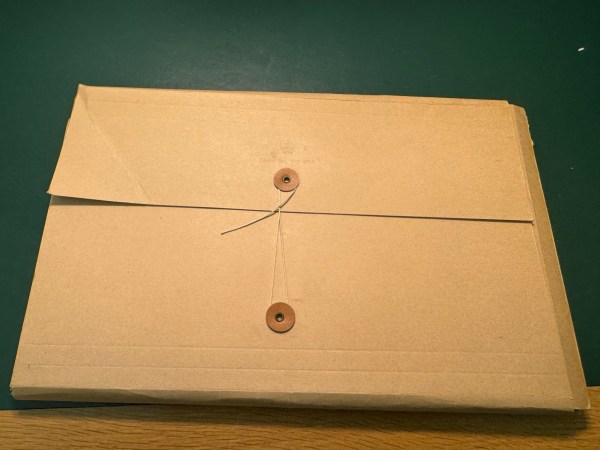
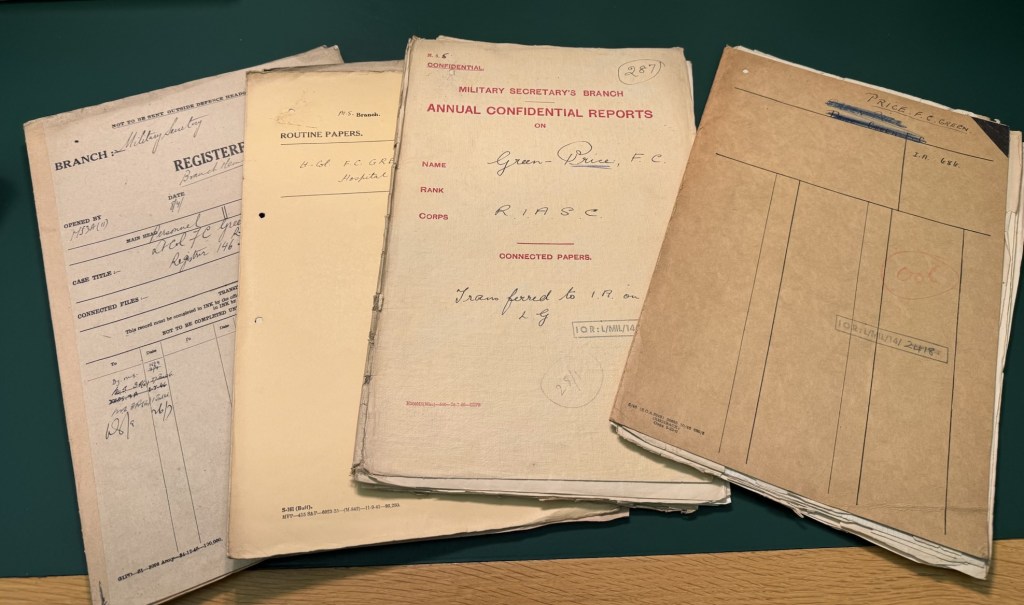
Tuesday was a windy, rainy day – not a day to move the Narrowboat. So we moored up in Banbury and I decided to go on an adventure. As part of my family tree research, I have been looking into my great uncle Francis Chase Green-Price. He was a fascinating man, who joined the British Army in the First World War, and then moved to India, as part of the British Empire, eventually reaching the rank of Lieutenant-Colonel. This much I knew, but his military records are not online. They are kept in a vault of the British Library. And my adventure was to hop on a train to London to see them.

For many soldiers, records consist of a couple of notes, but for Frank, there was a large folder of around a hundred pages. I spent a very happy afternoon going through all of them and trying to recreate his military life. About thirty years, including both world wars, and working in Britain, India, China, Egypt and Sudan.

Much of the material was factual, such as lists of units he worked in. There was also a very interesting folder of correspondence about his retirement. It was 1946, his role had become redundant and India was about to become independent. The army had recognised this and ordered him to retire. But as with all big organisations there are rules, and paper pushers across India were trying to enforce the rule that he was a few months too young to retire. Eventually common sense prevailed and he returned to the UK.

The folder that was most interesting was a complete set of his annual performance reviews. I could follow his progression through the years and see his strengths and weaknesses. I also learnt a new word. Apparently he was a good “Shikar”, which means he hunted big game in his spare time.

Reading it also made me feel a little awkward. In some HR files somewhere are probably my performance reviews across the years. I am not sure I would want some geeky future family member reading them.

I do enjoy family tree research, and when I am looking at someone from many generations ago, I do not feel any guilt imagining what they were like. But Frank’s son is still alive and am I being too intrusive looking at papers like these, even if they are publicly available to any researcher?

Fortunately most of what I found was positive. Frank appears to have been a quiet, caring officer, who was loved by his soldiers, whether British or Indian. This certainly resonated with me, because when I was working I also had Indian and UK teams.

Sorry Great Uncle Frank for looking through your personal personnel files. But I think you had an interesting life, and you are remembered.

The ten best things in the Outer Hebrides

We have just returned from six weeks in the Outer Hebrides. Also called the Western Isles, this archipelago of islands is one of the remotest areas of the UK and at this time of year the tourists have gone home and it is even bleaker. The winds are wild. Daylight hours are short. Why on earth would anyone want to stay there? I can give you ten very good reasons

1 It is incredibly beautiful.

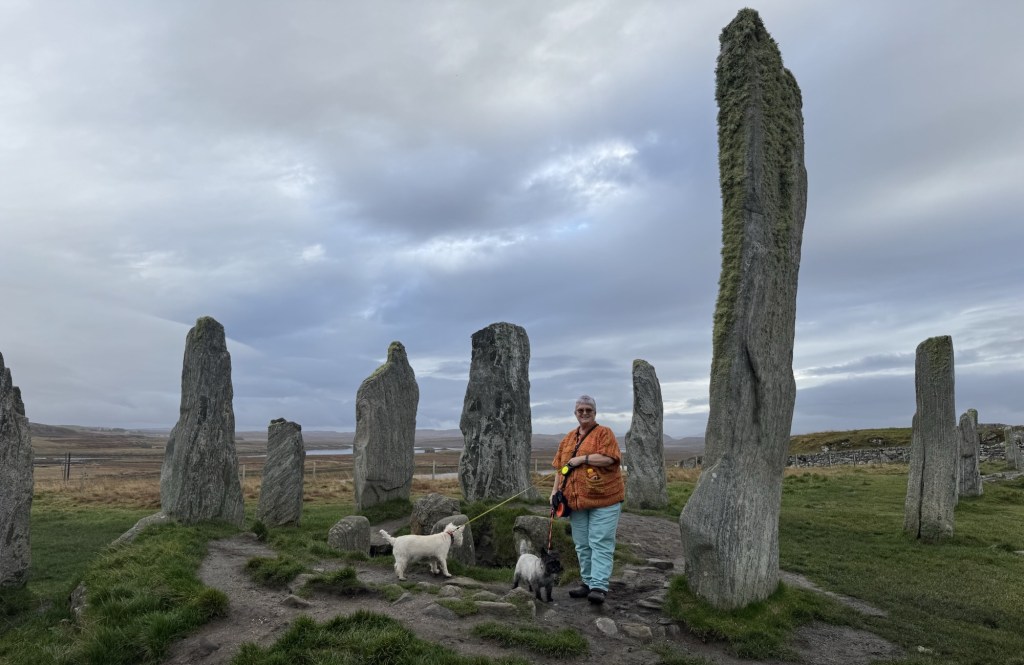
You can drive through Lewis and Harris, get a ferry to Berneray, drive across causeways to North Uist, Grimsay, Benbecula, Soouth Uist, Eriskay and a short ferry to Barra. Around every corner there is something beautiful to take your breath away, from inland lochs, to dramatic cliff edges, to awesome views.

2.. The history is fascinating

We saw Iron Age brochs, prehistoric standing stones, a ditch of blood where the MacDonalds fought the MacLeods in the seventeenth century. We saw a ruined temple which is claimed to be the oldest university in the UK. And more modern history such as the Iolaire monument in Stornaway, overlooking the bay where hundreds of soldiers returning from the First World War, lost their Iives in a shipwreck.

3 The locals are friendly.

Because the tourists have largely gone, we were treated as part of the community, attending the local firework display, chatting in the pub, and even going to a travelling show abut Hercules the Bear, who escaped and roamed the islands for weeks in the 1980s. The Hebridean accent is soft and the people are friendly.

4 The shellfish is wonderful.

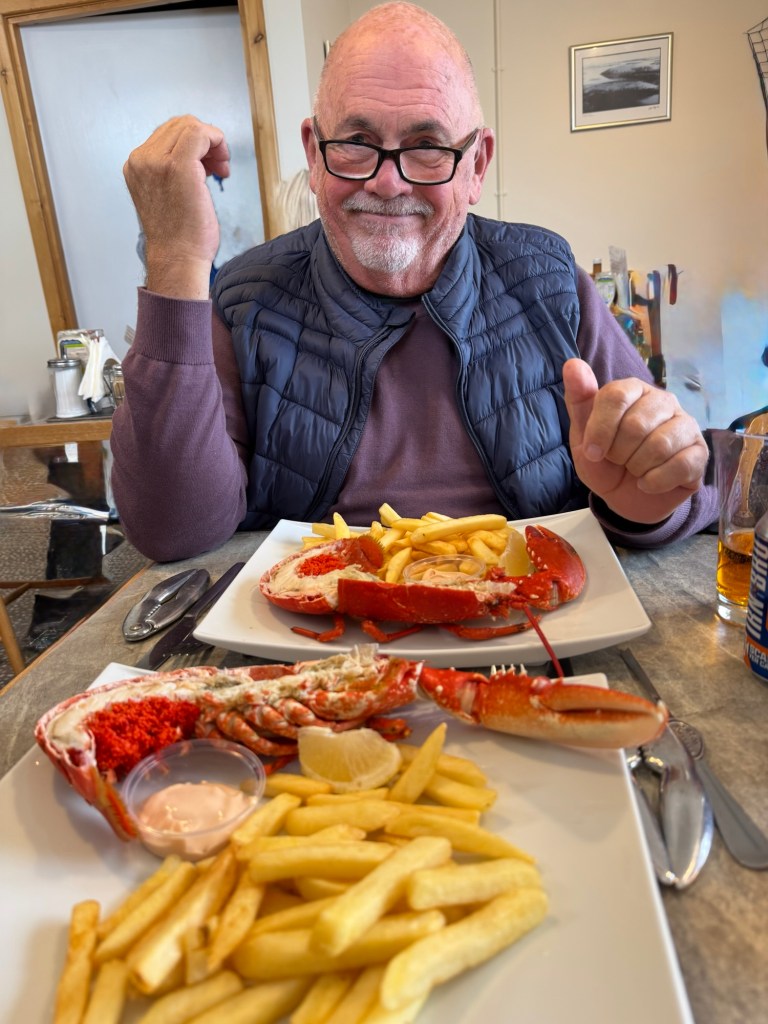
Some of the best shellfish in the world is landed in the Hebrides. We had a wonderful lobster lunch off formica tables in a cafe next to the fishing boats. I also had the best langoustine eggs benedict breakfast that anyone could dream of.

5 Rainbows

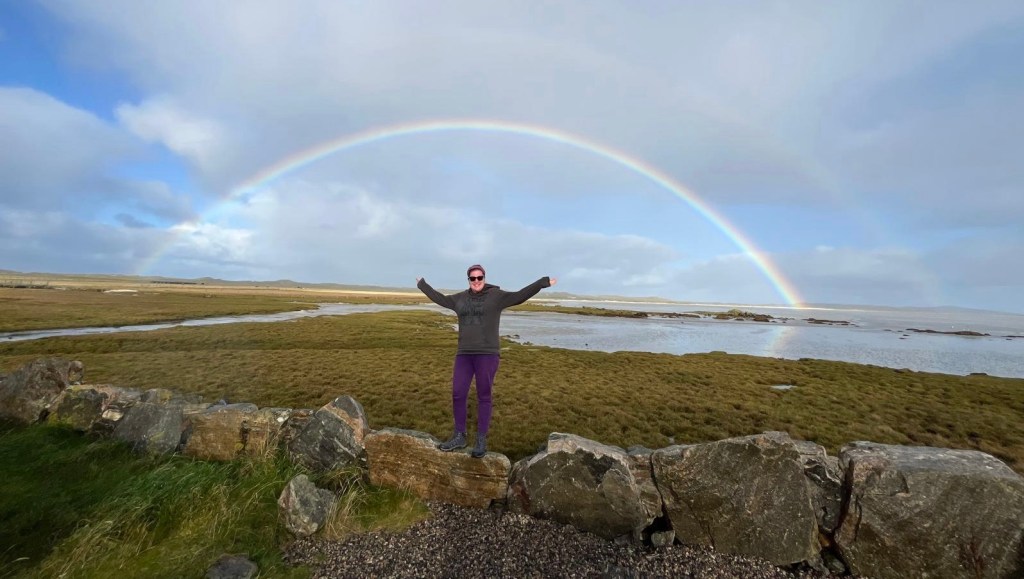
I am not sure why. Perhaps it is the ever changing weather combining rain and sunshine, Perhaps it is the time of year with the sun so low in the sky. But I have never seen so many rainbows. Stunningly beautiful.

6. Sunsets

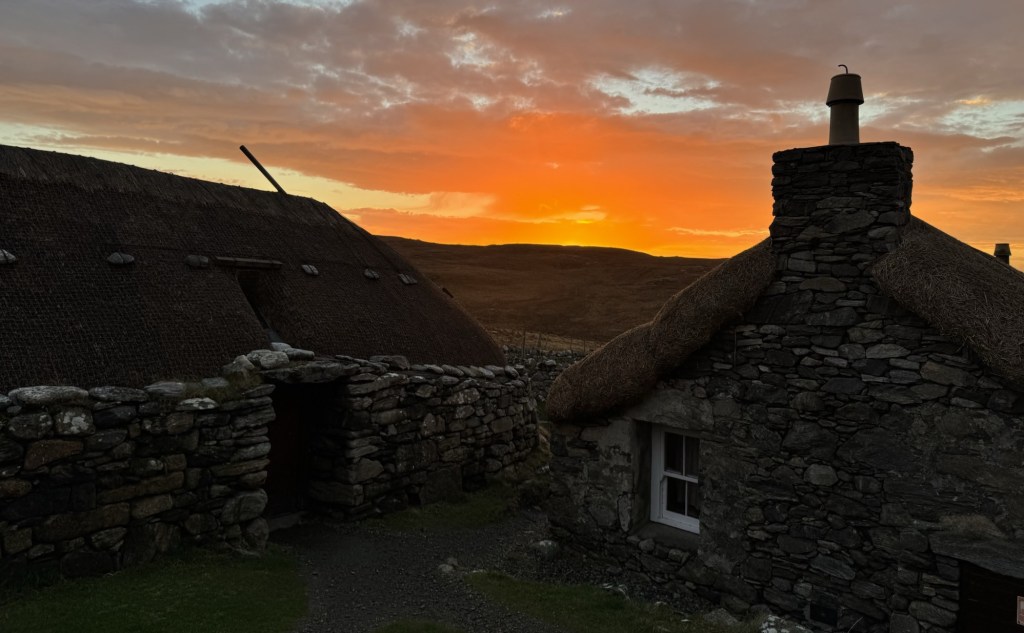
It was not every night. We also had cloudy skies. But when the weather was right we had amazing sunsets and sunrises. We also got to see the Northern Lights

7 Sculptures

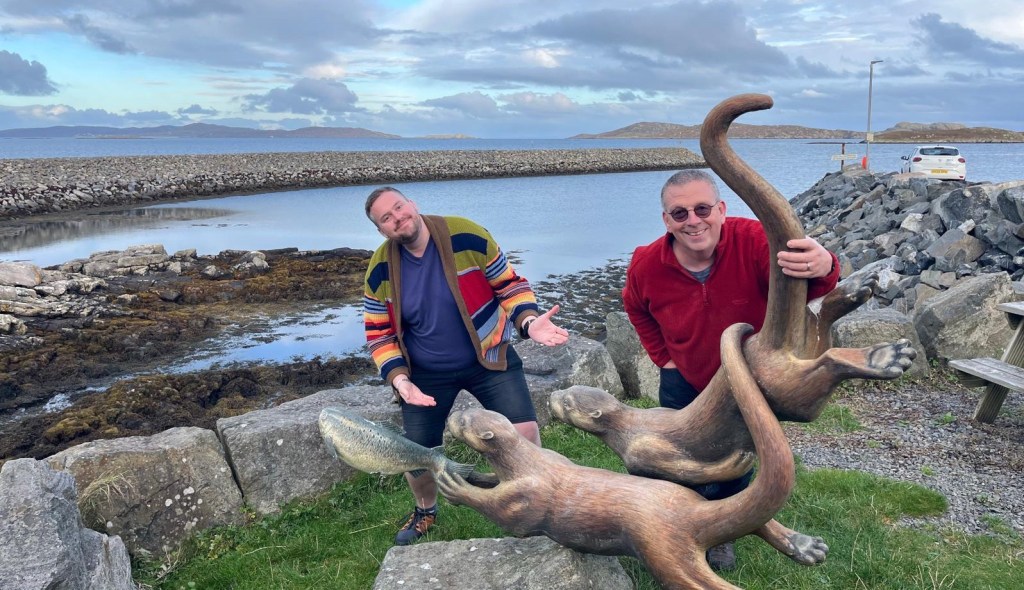
I think the remoteness must attract artists to the islands. I wrote in a previous blog about the pile of peat in an art gallery. I much preferred seeing the sculptures, scattered around the islands, set into the landscape

8.. You can hunker down in front of the fire

And when the rains turned horizontal, the properties we stayed in had wood burning stoves to keep the cockles warm. I settled down to read the latest Peter May book about murders in Lewis. Nice.

9. The wildlife

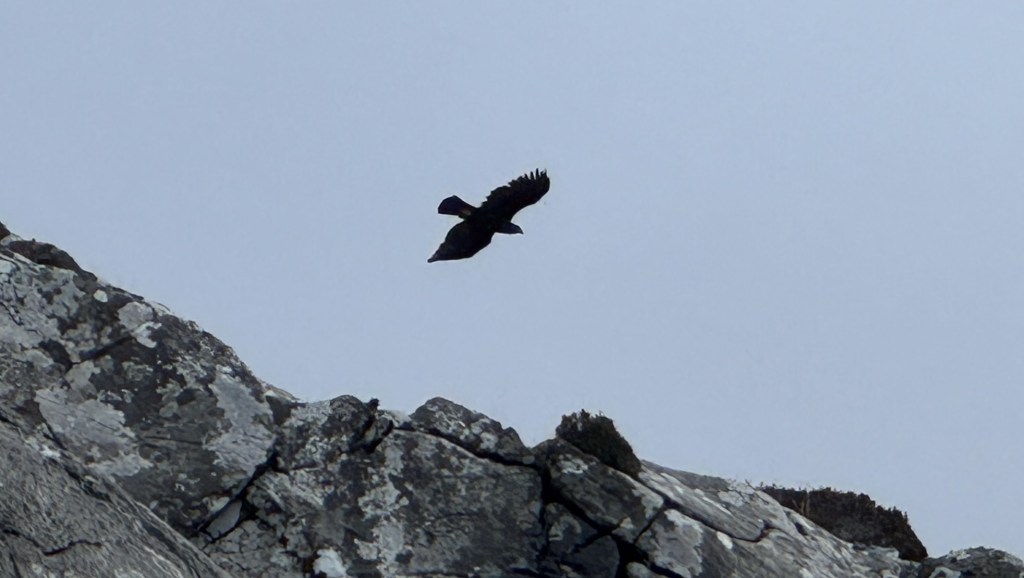
I am not a patient man. There are hides you can visit where people sit for hours waiting to see the rarest wildlife. Not for me. But we still saw two golden eagles, a sea eagle, black kite, deer, otters, coos on an uninhabited island, sheep swimming across a loch. It was pretty impressive.

10 The Outer Hebrides have the best beaches in the world.

Famously, West Beach n Berneray was used for a Thai tourist brochure. It is a lot colder, but the Hebridean beaches are empty. There are so many of them, and they are so dramatic, that after a while you think they are normal. White sands formed from crushed sea shells. Miles and miles of empty beaches.. Wonderful

So now we are back home. Six weeks is less of a holiday and more of an adventure. I would encourage anyone who enjoys peace and beauty to visit the Western Isles. Simply gorgeous.

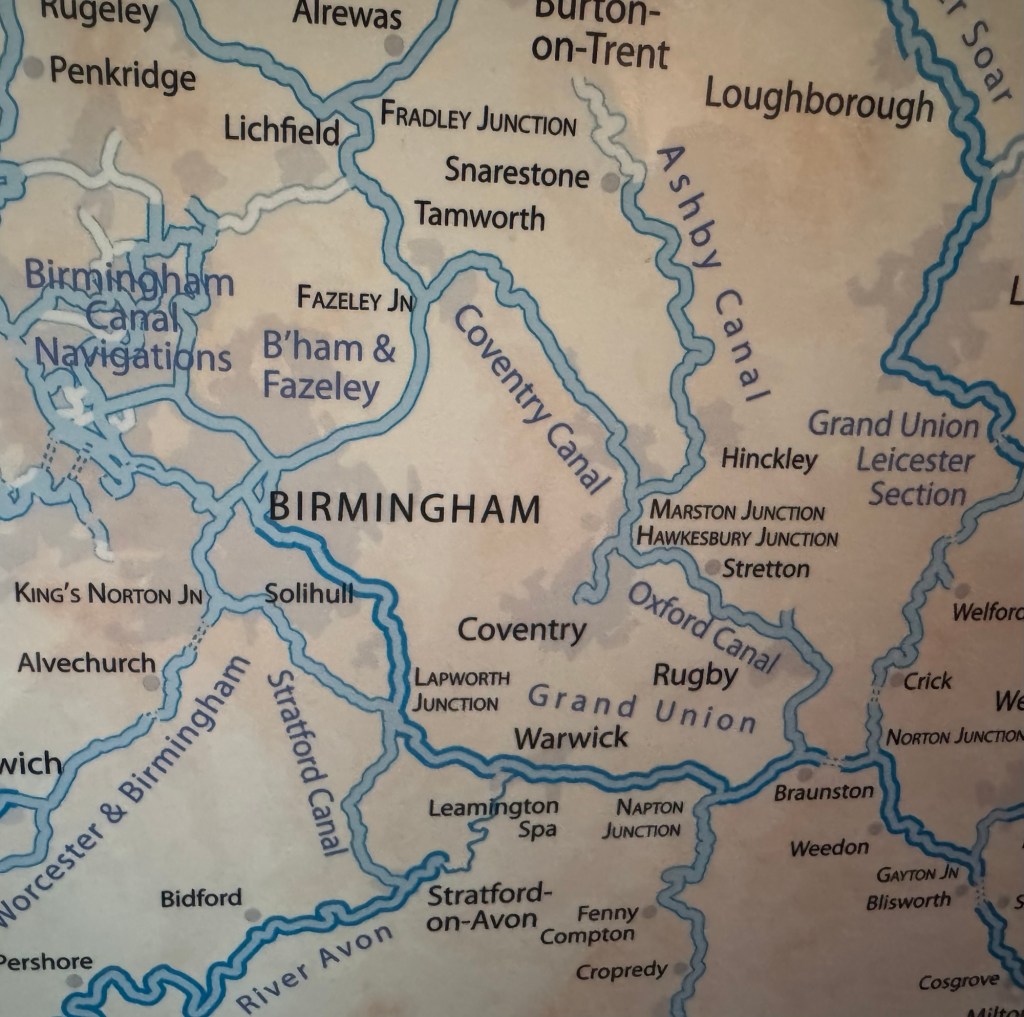
Why does the Coventry Canal have a gap in the middle?

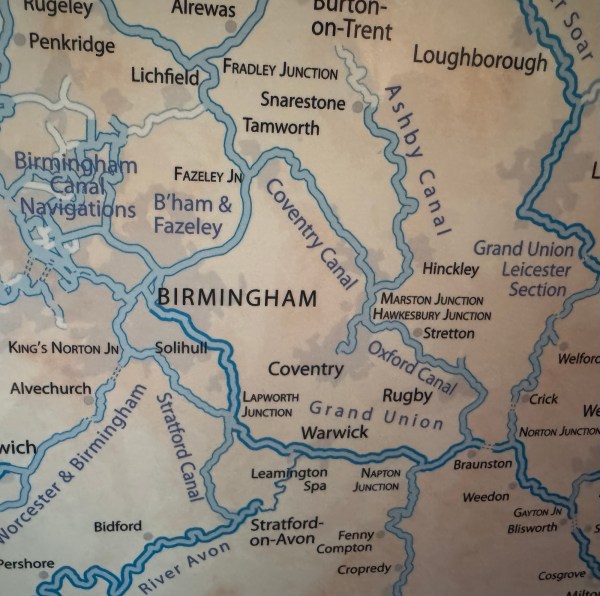
We are travelling towards Oxford on Narrowboat Thuis. That means navigating the Trent & Mersey, The Coventry, the North Oxford and finally the South Oxford Canals. It will take us about three weeks. There is one complication in this route. The Coventry Canal starts at Fradley Junction and travels down to Coventry city centre. But there is a gap of a few miles in the middle.

The good news is that this gap is filled by a chunk of the Birminghams and Fazeley Canal. Why?

In a week in which the HS2 train scheme overran yet again, it is reminder that in history nothing changes. In 1768, at the height of canal building mania, a group of rich entrepreneurs got together to build the Coventry Canal, with the aim of connecting Coventry to the Bedworth coal fields and then the Trent & Mersey Canal at Fradley junction, joining Coventry to the North of England. They employed the greatest canal engineer of the time, James Brindley, who had previously planned the Bridgewater, the Chester, the Trent & Mersey and the Staffordshire & Worcester. Everyone was very optimistic.

At first, everything went well and in just a year they were bringing cheap coal from Bedworth to Coventry. But then the money began to run out and by 1771 they had sacked Brindley and gone bust. Eventually more money was found but it took till 1790 to extend the canal to Fazeley, where by that time the Birmingham and Fazeley canal had been built, connecting Birmingham to the Trent & Mersey at Whittington Brook.

Around the same time the Oxford Canal was completed, connecting the Coventry to Oxford and hence London on the Thames. This was immensely successful and at last the shareholders began to make money, big money. They wanted to realise their original plans, and were able to buy the stretch from Whittington Brook to Fradley from the Trent & Mersey. But the Birmingham and Fazeley refused to sell.

So there we are today, with the Coventry Canal split in the middle.

I love canal history. Our life today was enabled by a small number of entrepreneurs who lost or gained fortunes. And by thousands of poorly paid navvies, cutting the navigations with picks and shovels.

We are so lucky to be able to enjoy the fruit of their labours. And to remember their sacrifices.

How long is 29 years?

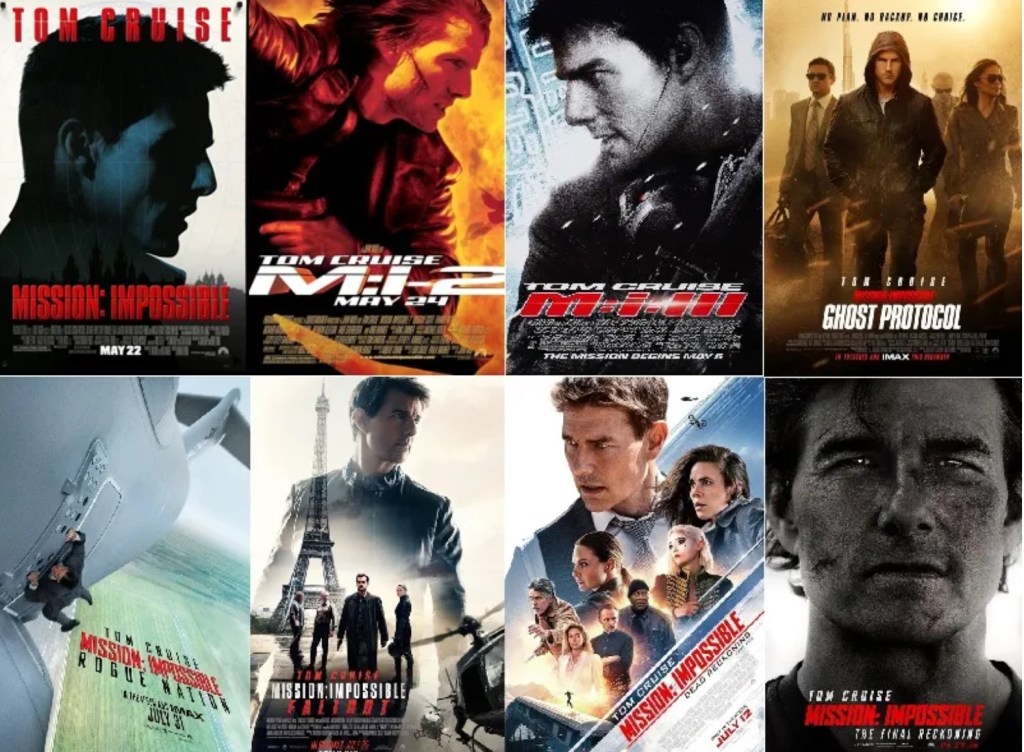
I went to the cinema this week, to see “Mission Impossible – The Final Reckoning”. It started slowly, but once it got going, wow what an adventure! I have been a fan since the first film in 1996, and this final film brings all the stories together. It seems only yesterday that the franchise began, and now it is all over. The time since 1996 has gone in a flash.

By coincidence I have also this week been listening to podcasts and watching videos about the end of the Second World War. That was a different time; a time for my grandparents, a very long time ago. And yet, when I was born in 1964, that was only 19 years after the war.

So how can 29 years be no time at all and yet 19 years be an age? It must be a bias we all have to our lifetimes. My mid thirties children would probably classify the fall of the Berlin Wall as being part of history. For me it is not long ago. Current teens would probably classify a world without smartphones as being part of history, but for me, I remember my first brick like mobile phone with great affection. It was a Nokia 2140 and I paid for 15 minute of calls every month, with no texts and of course no data. It was the coolest thing in the world.

I love researching family history so I decided to ask my Mum about her own childhood recollections of times that I consider to be history. Interestingly her strongest memories are about family and friends. Yes there was a war on, but that was just background to growing up. It was normal.

She did say that her favourite film was Bambi. That was before even Mission Impossible 1. A very long time ago.

Going for a walk in Kirkham

Kirkham is the nearest town to our village in Lancashire. The Aldi is our nearest proper supermarket, and Kirkham is where I go for my hearing aids, and for the dentist. For trains it is our nearest station. It is a pretty little market town.

Most of the time I just drive through it, paying little attention. This week I read an article about the town in a magazine, and decided it had to be worth a walk. I am a great believer that the best way to learn about places is to travel slowly, whether on a Narrowboat or on foot.

The first surprise was to see what looked like a bus shelter, just sitting by the road, and housing a weaving loom. It turns out that Kirkham was once a thriving mill town, and this was the last loom ever used, after the last mill closed in 2003. Apparently in the mid nineteenth century Kirkham was the biggest town in the area, several times the size of Blackpool.

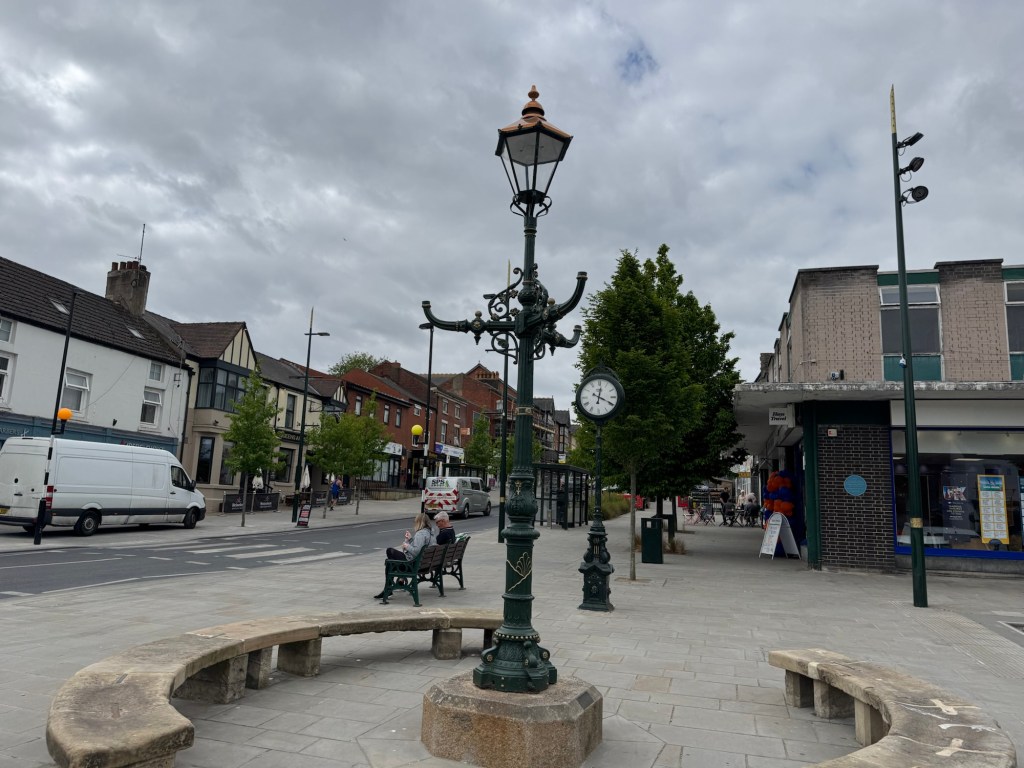
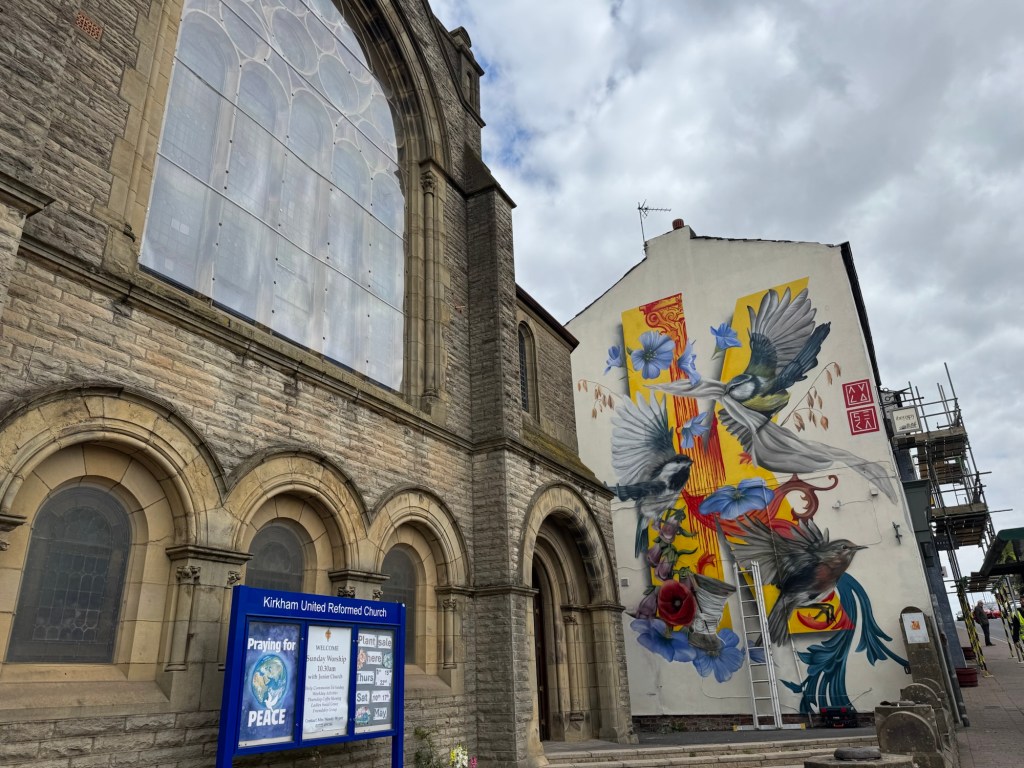
Then I discovered the old town square, a huge mural, a fascinating church, even a Tardis.

My walk took me along a footpath called Remembrance Way which was recently put in place, with wild flowers and sculptures, and along an ancient track which once would have headed up to a fort in Roman times.

It just goes to show that there are many interesting things to find almost anywhere, if you just open your eyes. Every day is a school day, and I like school.

I hate weed

There are certain jobs on a narrowboat that are not very nice. Pumping out the toilet tank is perhaps the worst. But pulling weed and rubbish from around the prop comes a close second. And this week’s canal from Chester to Ellesmere Port is one of the weediest in the country.

If you drive through the vegetation at normal speed, the propellor turns and pulls the weed around it. This causes the steering to fail, the boat to go much slower, and even the engine to stall. To avoid this, there are techniques we have learnt. Drive at speed up to the patch of weed, and then take it out of gear. The boat hopefully floats through the weed unscathed. Or if you do get some weed, try a hard reverse to “spin” it off again. But if neither of these works, you have to moor up the boat, lift the deck boards, climb into the engine bay, unscrew the weed hatch cover, reach down into the murky cold water and pull the weed off the prop and rudder. Fortunately this week I have only had to do that a few times.

It was worth the effort though, because we were able to moor for two nights in the middle of the National Waterways Museum at Ellesmere Port.

I have written in a previous blog about nights in the museum, but suffice to say it is one of our favourite moorings in the mornings and evenings when no-one is around and we have the place to ourselves. It is also a place full of history, where the Shropshire Union Canal joins the huge Manchester Ship Canal and the River Mersey. In times past it would have been a dirty, noisy dock with hundreds of workers and surrounded by heavy industry. A quiet place today, full of memories.

My son Rob says he loves most of my blogs but not the ones where I complain about something that has annoyed me this week. Sorry Rob but I don’t like weed.

Who is this man?

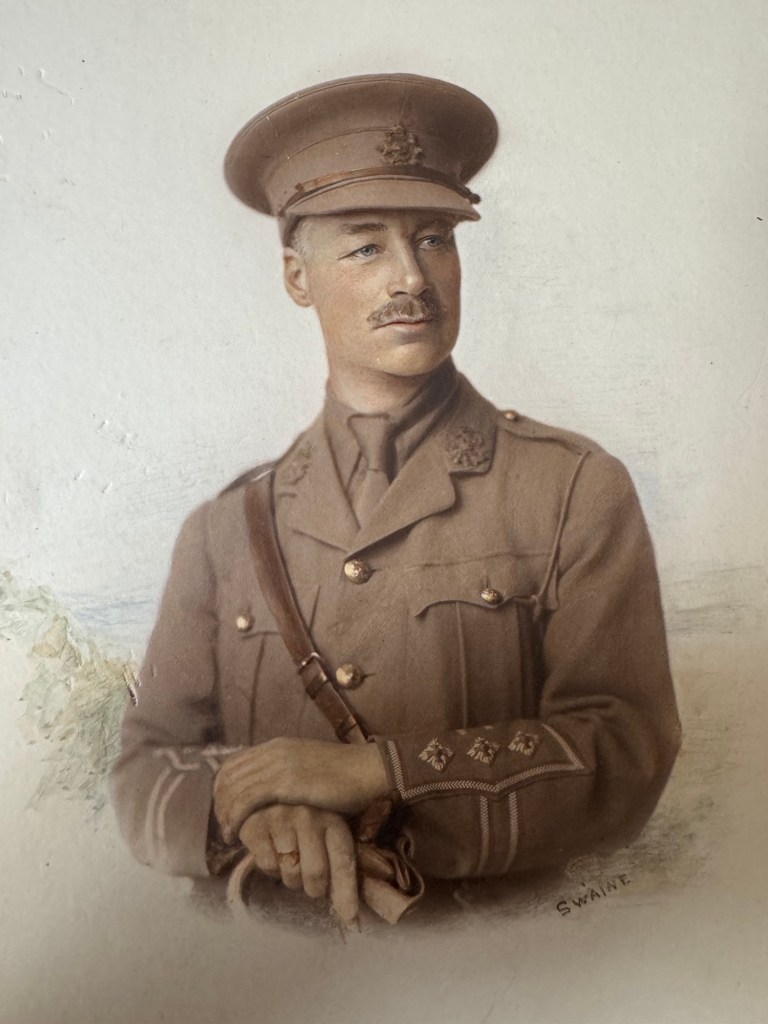
I have written before that one of my hobbies is researching my family tree. This week I received a pack of old photographs from one of my Mum’s cousins. He has been tidying his house and knew that I am interested in the family, so sent them to me. He kindly annotated the backs of the pictures when he knew who they were, but this photograph was blank.

Most of the pictures are from the family of a man called John Davies, a distant cousin who was a chaplain serving in the Royal Navy, I knew the navy had chaplains but did not realise that they sailed on the ships for many months, just like ordinary sailors. John also served on submarines where he said that the confined space led to depression and need of a chaplain.

There were also photographs and newspaper articles about John’s relations. His father and grandfather were also priests, working in a small area of Wales. His grandmother was a very posh looking woman called Dorothy Jebb. She is my great great aunt and came from a very wealthy family.

But I am still stuck on this photograph. He looks a very smart soldier, I am guessing from the First World War. With three crosses on his wrist, perhaps he was a captain? John and his father both had low eyebrows, so it is not them.

In future times perhaps AI will allow me to search this photograph and find who it was, but for now I think it is sad that such a photograph, maybe made for a mother or sweetheart, cannot be identified. I will raise a glass to him.

Why is the Calder and Hebble unique?

We have cruised most of the canals and rivers in the UK in recent years. There are over 2000 miles of navigation and every one is different. But this week we have been along the Calder and Hebble and that really is unique.

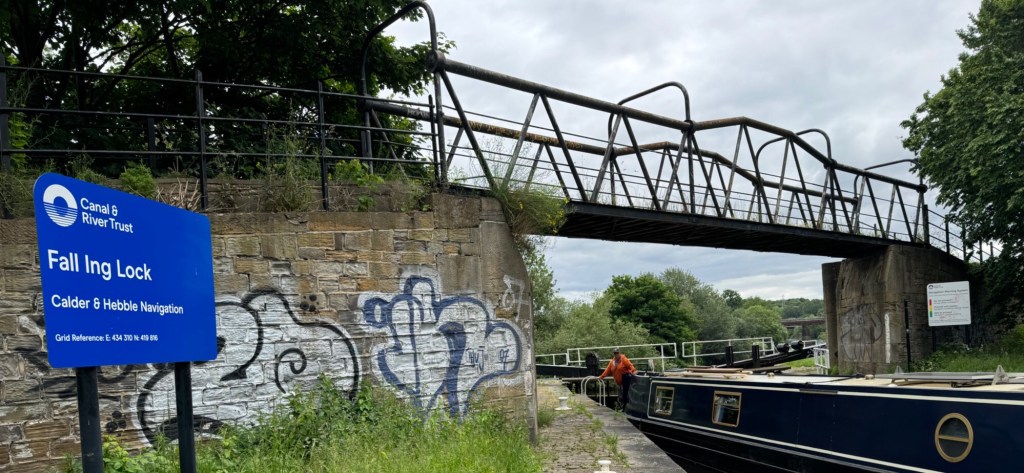
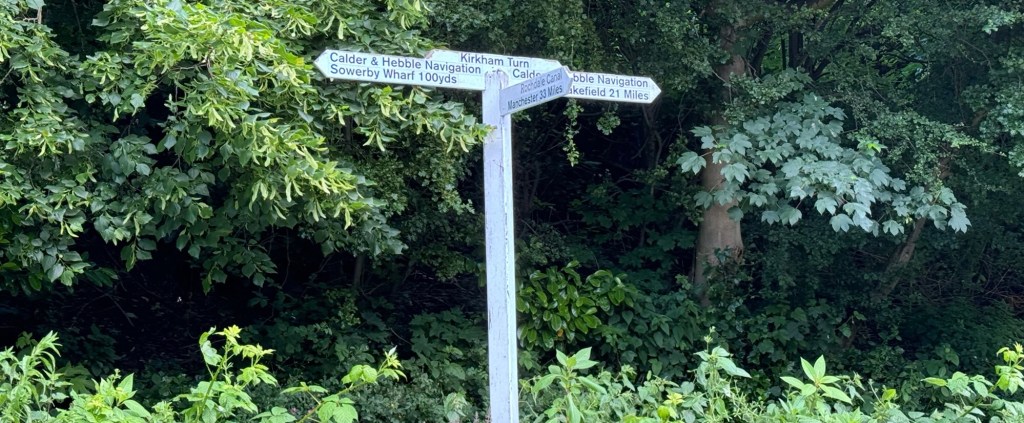
From Fall Ing lock near Wakefield, to Sowerby Bridge, the canal and river navigation is just 23 miles long, built in around 1770 to connect the mill towns of Yorkshire to the rest of the country.

Let me tell you about three things you will not find anywhere else. The first is the short length of the locks. They can just about fit our narrowboat at 57.5 ft, but any longer and you really are in danger of getting stuck or flooded. There are other canals known for short locks, including the Leeds and Liverpool that we have recently left, but none as consistently short as the Calder and Hebble.

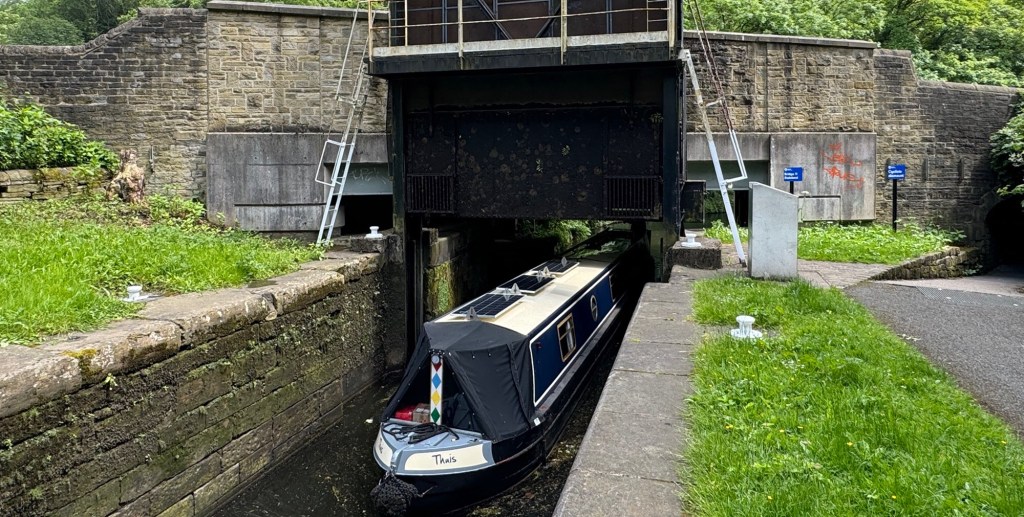
The second uniqueness is the Guillotine lock at Salterhebble. Most locks have pairs of wooden or steel gates that close together to hold the water back. Sometimes these are electrically operated but this one also operates as a guillotine, a single metal gate that goes up and down. It was installed after a road widening meant there was no room to keep normal gates. I have read that there are a few other guillotines around the country but as far as I am concerned this is unique.

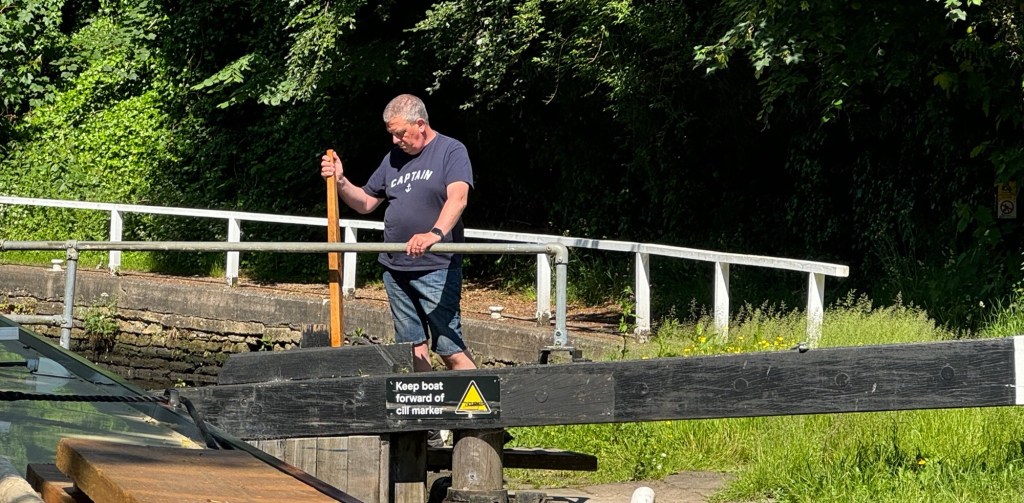
The third unique thing is the “Hebble spike”, a piece of 3” x 2” shaped hardwood that is used to open and close lock sluices. I have no idea why these were used when this canal was built, rather than the windlasses we use on almost every other canal, but it has certainly been a unique experience to use this week. It is hard work!

I have enjoyed the week of uniqueness. Next week we travel the Rochdale canal. Maybe not so unique but even more of a challenge. I’ll let you know how we get on.

Blog at WordPress.com.

Up ↑