Why is the Calder and Hebble unique?

We have cruised most of the canals and rivers in the UK in recent years. There are over 2000 miles of navigation and every one is different. But this week we have been along the Calder and Hebble and that really is unique.
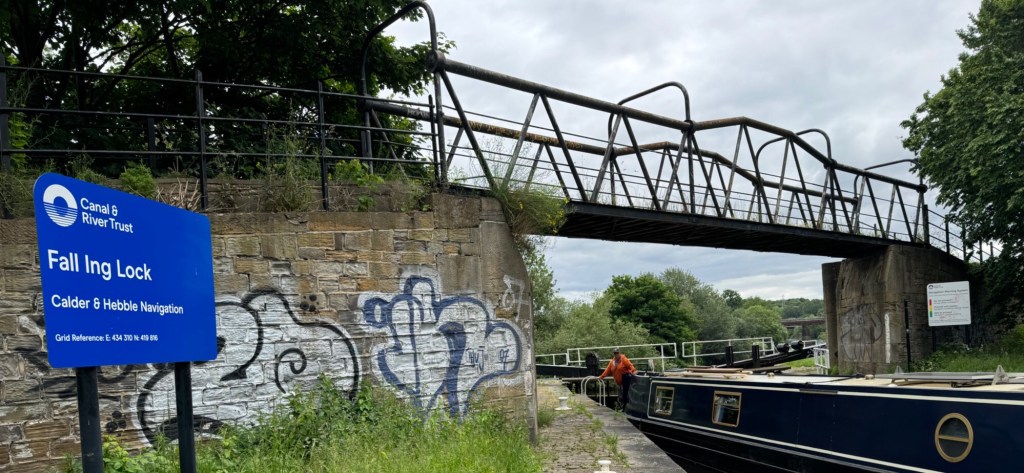
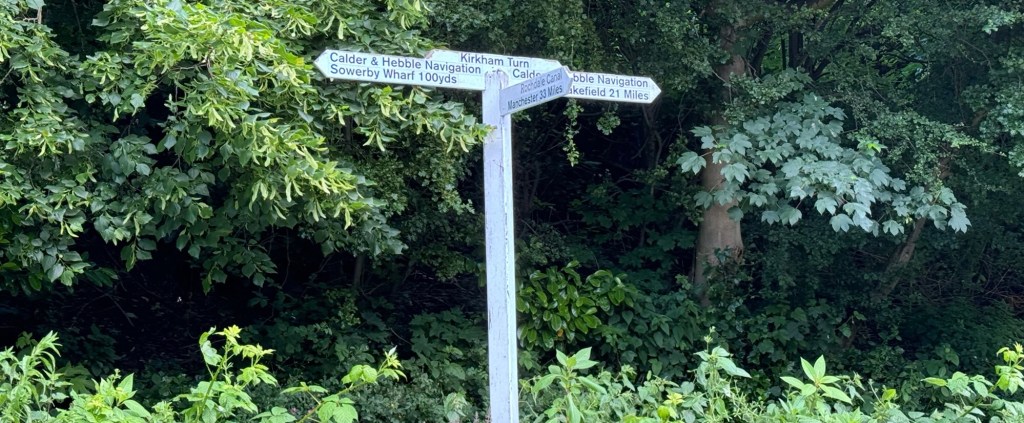
From Fall Ing lock near Wakefield, to Sowerby Bridge, the canal and river navigation is just 23 miles long, built in around 1770 to connect the mill towns of Yorkshire to the rest of the country.

Let me tell you about three things you will not find anywhere else. The first is the short length of the locks. They can just about fit our narrowboat at 57.5 ft, but any longer and you really are in danger of getting stuck or flooded. There are other canals known for short locks, including the Leeds and Liverpool that we have recently left, but none as consistently short as the Calder and Hebble.

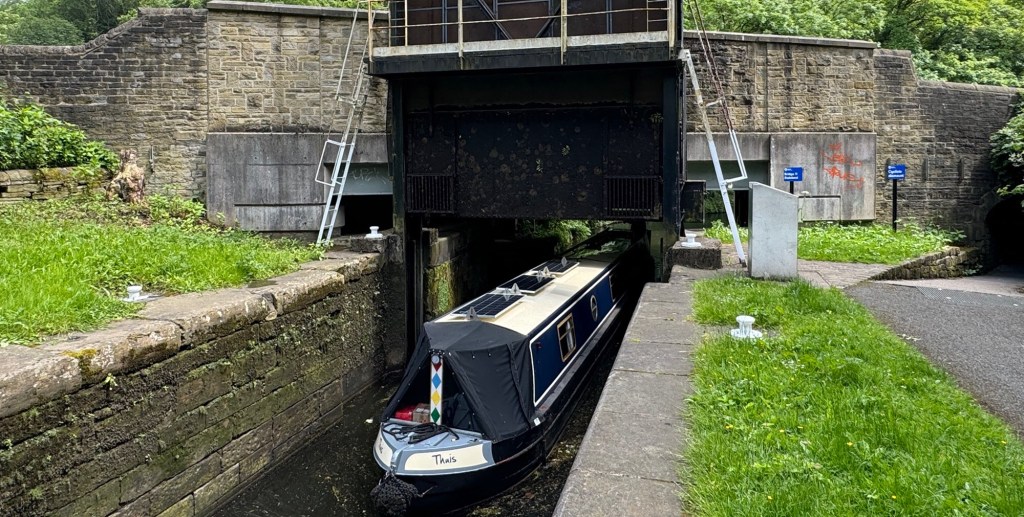
The second uniqueness is the Guillotine lock at Salterhebble. Most locks have pairs of wooden or steel gates that close together to hold the water back. Sometimes these are electrically operated but this one also operates as a guillotine, a single metal gate that goes up and down. It was installed after a road widening meant there was no room to keep normal gates. I have read that there are a few other guillotines around the country but as far as I am concerned this is unique.
The third unique thing is the “Hebble spike”, a piece of 3” x 2” shaped hardwood that is used to open and close lock sluices. I have no idea why these were used when this canal was built, rather than the windlasses we use on almost every other canal, but it has certainly been a unique experience to use this week. It is hard work!
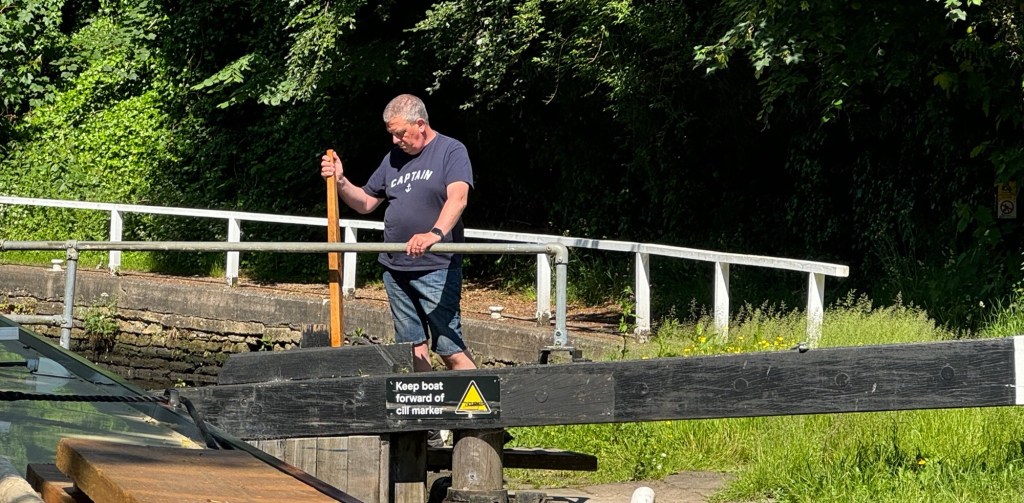
I have enjoyed the week of uniqueness. Next week we travel the Rochdale canal. Maybe not so unique but even more of a challenge. I’ll let you know how we get on.

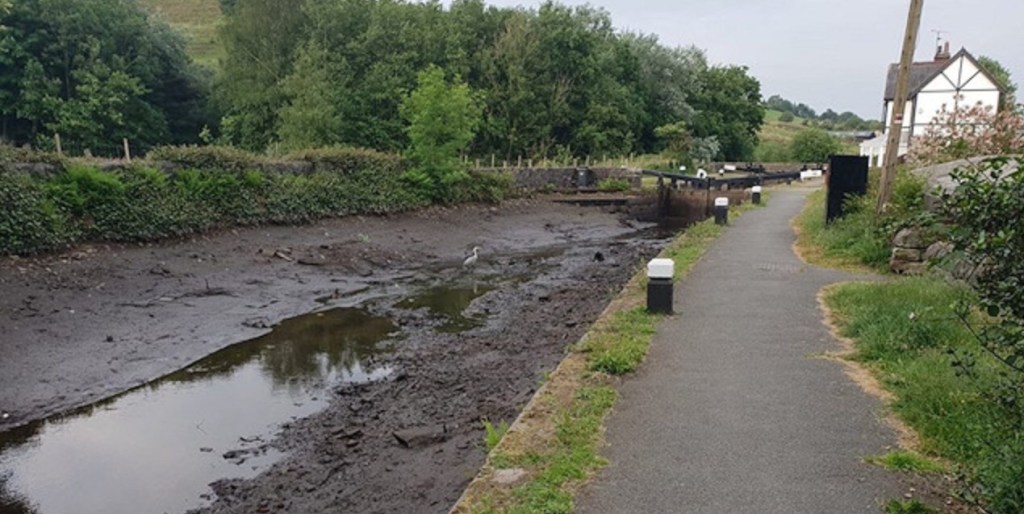
What do you need if you have an empty pound?

On a canal, the length of water between two locks is called a “pound”. On a lock flight this might be three or four boat lengths long. Sometimes it might be shorter. There is a pound on the Staffs & Worcester canal that is just a few feet long (there is a side pound where all the water goes when you empty the top lock). There are “long pounds” on canals that are very flat. For instance last week we had a forty mile pound on the Bridgewater.

Once or twice a year we find a pound is empty. Last year there was a mile long empty pound near Gloucester after a hire boater went through the bottom lock one evening and left all the paddles up. The year before we grounded in a pound overnight on the Aylesbury canal because of leaky lock gates. This week we have faced three separate empty pounds. The first was about a mile long in Wigan, caused by vandals. The second was about half a mile on the Rufford arm, caused by a lazy boater leaving paddles up. The third was a short planned “dewatering” by the Canal & River Trust (CRT) in order to inspect blocked culverts.

So what do you need when faced by an empty pound? The first and most obvious thing is a lot of water. Somehow you need to fill the canal back up to at least four feet in depth. If you think the canal is maybe twenty feet wide, and the pound is maybe half a mile long, that is an awful lot of water. You have to bring that water down from higher in the canal, maybe using bywaters that go around some locks, and sometimes by opening paddles on the locks themselves.

The second thing you need is time. You need to fill that water without draining the pounds higher up. For this reason, CRT prefer the work to be done by their staff rather than boaters. A short pound may take just an hour or two to fill, but the Wigan and Rufford problems this week took a day each.

The third thing you may need is special equipment. On our boat we carry a windlass to open lock paddles, a CRT key to open water points and swing bridges, and an anti-vandal key to open the handcuff locks used to prevent bad people causing trouble. CRT staff can remove other padlocks and open special paddles to let in water from other sources such as rivers and reservoirs. Again this has to be done very carefully to prevent flooding.

By far the most important thing you need is patience. There is no point getting cross about what has happened. It won’t help. There is no point trying to get through before the water has fully filled, because you will get stuck. Instead, we just wait it out, and look for the best. In Wigan I found a nice local butcher that I would have missed. In Rufford we just moored up and watched a couple of films.

If you are in a hurry on a narrowboat, you have chosen the wrong lifestyle. We are lucky enough to be retired. For us, narrowboating is not just about the wonderful places we go. It is about the journey to get there – however long that takes.

What to do on a narrowboat when the canal is closed?

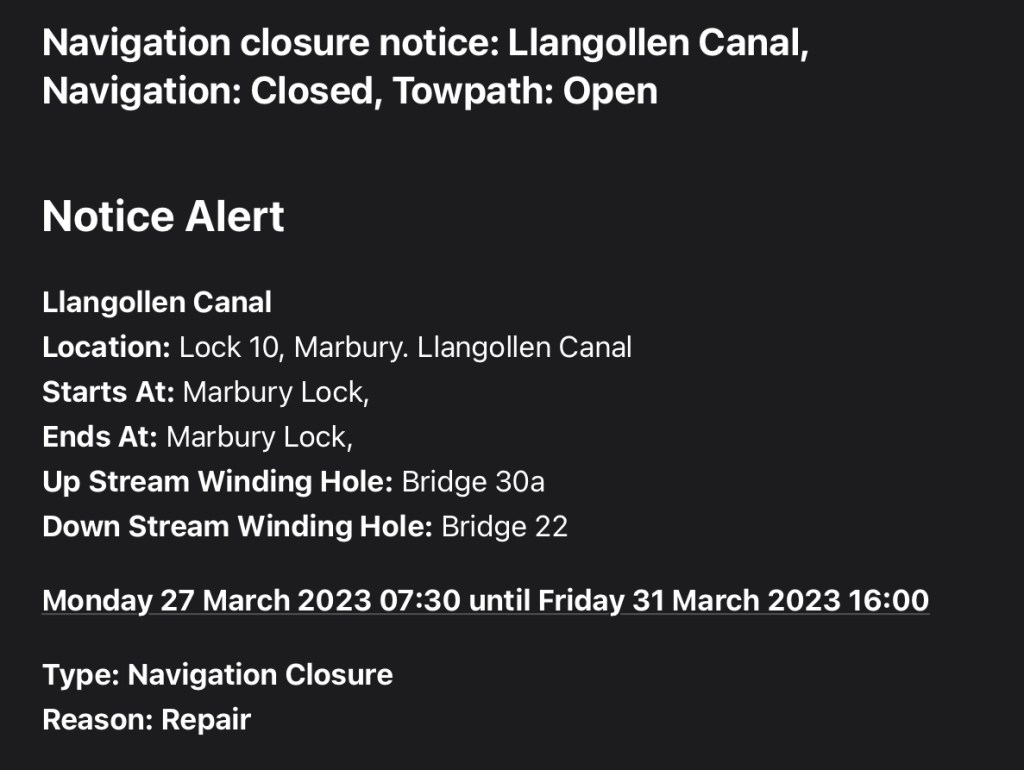
We were let down by the Canal and River Trust (CRT) this week. After a lovely weekend on the Montgomery Canal in Wales, we set off back along the Lllangollen with the aim to get to a mooring in Chester this Saturday. Unfortunately, when we got to Grindley Brook locks on Monday afternoon, we received this email from CRT:

There is a reality that with a 250 year old canal network, there will be times when things break unexpectedly. But in this case it was planned work, and we should have been notified well in advance. I am set up so that I get emails about any stoppages on the canals we travel, so that we can plan around them, and if this notice had been issued on 17th March, as it should have, we would have been well beyond the area before work started. But apparently they had a “system issue” which I suspect was more likely a “forgot to press the button issue”, so we did not know until too late.

This gave me two challenges. Firstly how to react to the CRT cock up. Should I get angry and shout at the poor agent on the end of the CRT helpline? Should I move the boat up to the stoppage area and shout at the workmen to work faster? Neither would have any impact except perhaps to make me feel better. No, after reflection we decided to treat the incident as one of those things that happens when you live on a narrowboat, and to make the most of it.

So my second challenge was how to make the most of it. I have been able to get a few jobs done on the boat – touching up some scratched paint, adding diesel bug inhibitor to my fuel tank, checking my weed hatch, getting a load of shopping. But much more fun has been a couple of bus adventures to local towns – Whitchurch and Shrewsbury. Shrewsbury in particular is a really lovely town, with Roman remains, a Norman mott and bailey castle, Medieval and Tudor shop fronts, and a bustling indoor market full of craft and food stalls.

The way I look at it is that if CRT had not made their mistake, I would never have had these extra few days, and to have had my adventures.

But I still hope that the work completes this afternoon and we can get back on our way. Living on a narrowboat is fun. Travelling on a narrowboat is more fun.

Blog at WordPress.com.

Up ↑