When do ducklings arrive on the canal?

Our TV on the narrowboat uses old photographs as a screen saver. It shows photos from similar dates in previous years. For two weeks I have been looking at ducklings, goslings and signets. But this year we have seen nothing – till yesterday.

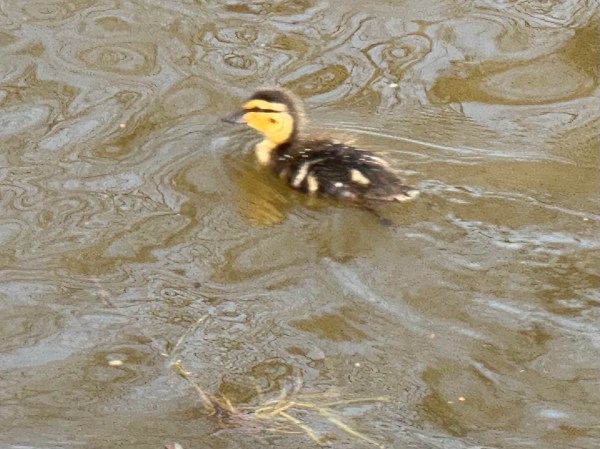
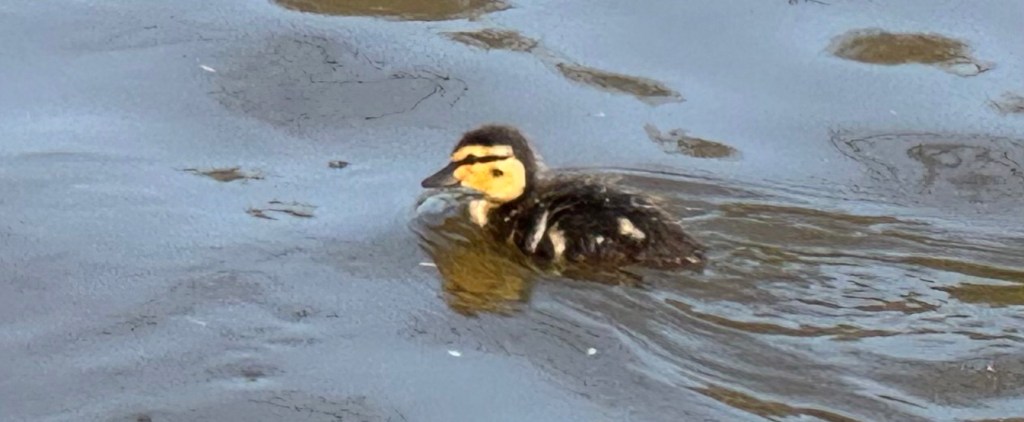
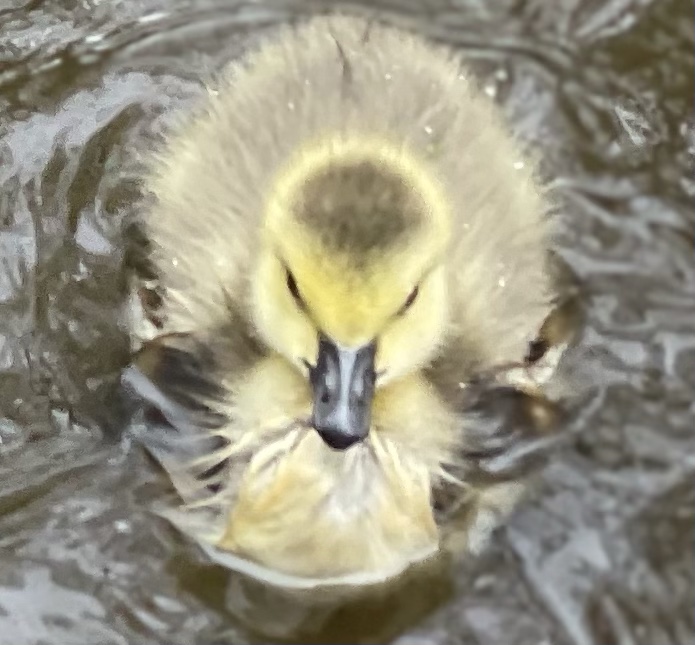
First we saw a new family of red headed ducks. I didn’t get a picture sadly. And then we passed three individual ducklings, including this one. Based on previous years I now expect to see more and more over the next few weeks.

So I have two questions. 1. Why do ducklings all arrive at once? 2. Why are they later this year when the weather is really warm this year?

I am guessing the answer to the first is that being born in Spring gives them the best chance of survival. It is late enough to avoid the worst cold weather, and early enough to keep numbers of predators low. The second is more tricky. Mallards have a 28 day incubation period, so perhaps the current warm weather is irrelevant. The blog I wrote a month ago was entitled “Is it too cold to live on a narrowboat?”. So did the ducks just wait another week to incubate their eggs?

Things that make you say “hmmm”.

And the ducklings have arrived!

One of our delights when narrowboating is to see the many baby birds on the canals and rivers. Ducklings, Cygnets, Goslings, Cooties (baby Coots), and other chicks all arrive during our Spring travels. One thing I have never understood is why they all arrive at the same time. Two weeks ago we had seen none – just a few birds on nests. Then last week we began to see cooties and this week the canal is full of ducklings.

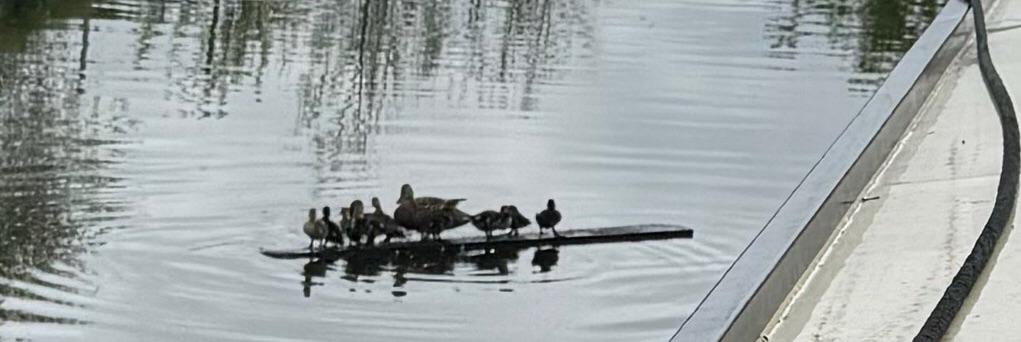
This family seem to prefer not to swim

I understand the benefits to the birds of young growing up as the weather warms up, but why do they all arrive in such a short space of time? In three weeks time there will be no more new ducklings, but lots of goslings and cygnets.

When I lived in a house, I was largely oblivious to seasons. Apart from it being cold in winter and hot in summer, I did not notice the changes. On the boat we see so much more. As well as ducklings, this has been the week for bluebells and wild garlic. The sides of the canals that were bare when we headed into Liverpool are now festooned with the flowers.

And May will bring a big seasonal change for me, when the jeans go back into the wardrobe, and the shorts come out. Those first few weeks with the pale white legs will be scarier than any wild birds.

Hatching week

We have been travelling the Peak Forest Canal this week, a sidearm off the Macclesfield, that was used originally for transporting limestone from the Peak District quarries. These days the industry has gone and it is very beautiful as it clings to the sides of steep hills, with far views across the national park. As we travelled towards the end at Bugsworth Basin, we noticed a number of ducks and geese sitting on their nests. We also saw one goose with four new baby goslings, which were cute.

Just a few days later we returned along the canal and were astonished to find maybe fifty families of geese and ducks with goslings and ducklings. It made me wonder how they all hatch at once. I understand the principle that hatching in late spring gives the best chance of survival, but for so many to arrive within a few days is pretty incredible.

It reminds me of a holiday we once had at a house in Islay, an island off the West Coast of Scotland. When we arrived we asked if there would be many midges, the infamous biting insects of that part of the world. The property owner said that they would come the following Thursday, which we guessed was a random date, plucked from the air. But no, we had no insects till the Thursday, when clouds of them suddenly arrived.

Nature is a wonderful thing.

Not a bad way to spend our retirement.

Blog at WordPress.com.

Up ↑