
We have cruised most of the canals and rivers in the UK in recent years. There are over 2000 miles of navigation and every one is different. But this week we have been along the Calder and Hebble and that really is unique.
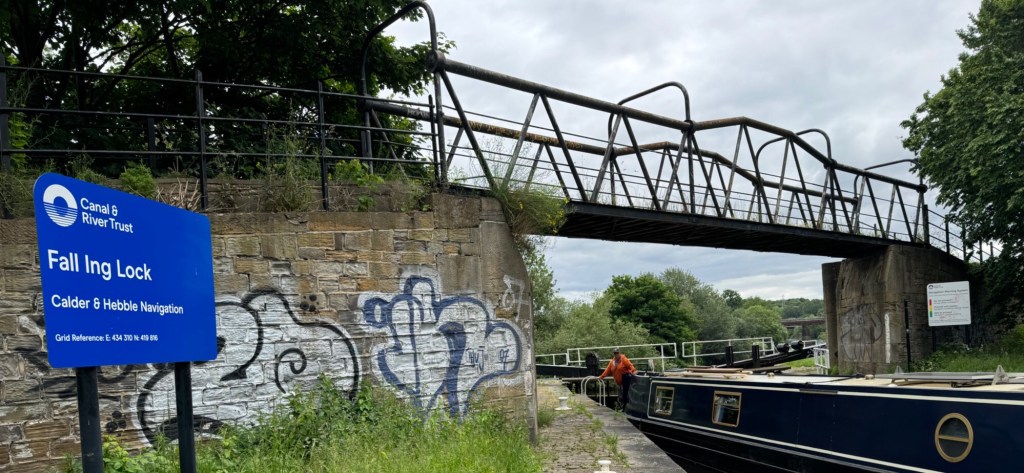
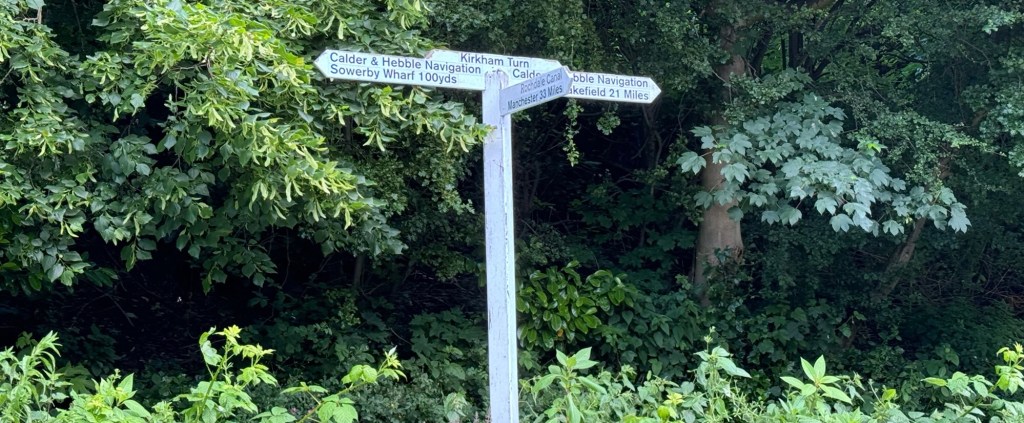
From Fall Ing lock near Wakefield, to Sowerby Bridge, the canal and river navigation is just 23 miles long, built in around 1770 to connect the mill towns of Yorkshire to the rest of the country.
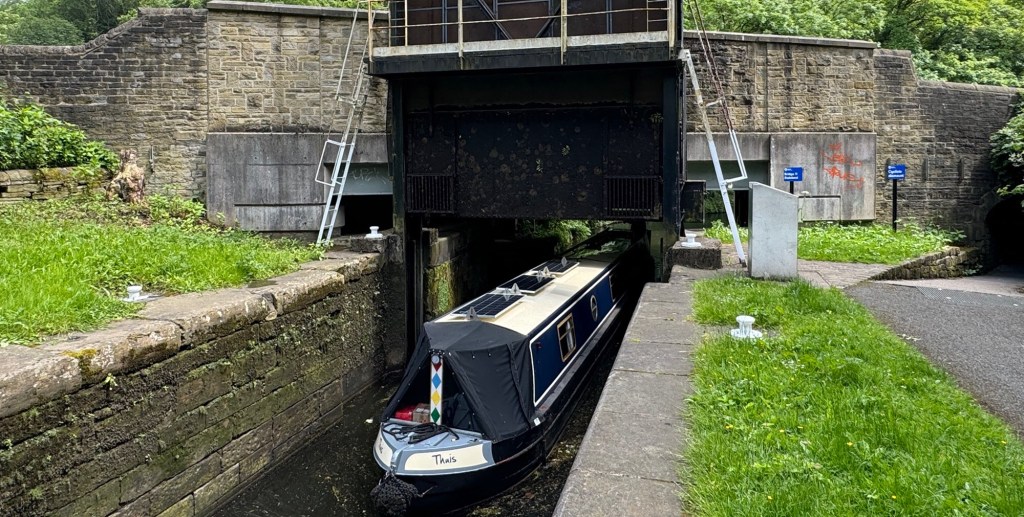
Let me tell you about three things you will not find anywhere else. The first is the short length of the locks. They can just about fit our narrowboat at 57.5 ft, but any longer and you really are in danger of getting stuck or flooded. There are other canals known for short locks, including the Leeds and Liverpool that we have recently left, but none as consistently short as the Calder and Hebble.

The second uniqueness is the Guillotine lock at Salterhebble. Most locks have pairs of wooden or steel gates that close together to hold the water back. Sometimes these are electrically operated but this one also operates as a guillotine, a single metal gate that goes up and down. It was installed after a road widening meant there was no room to keep normal gates. I have read that there are a few other guillotines around the country but as far as I am concerned this is unique.
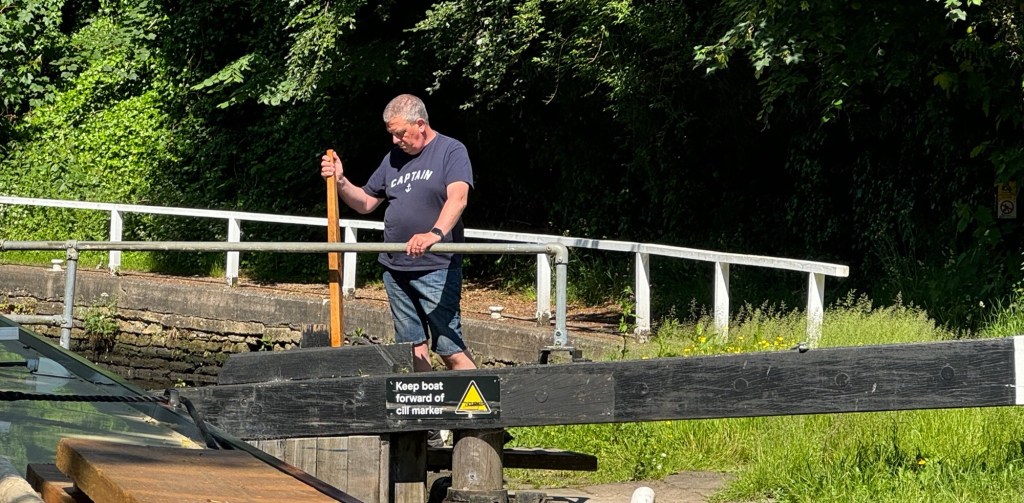
The third unique thing is the “Hebble spike”, a piece of 3” x 2” shaped hardwood that is used to open and close lock sluices. I have no idea why these were used when this canal was built, rather than the windlasses we use on almost every other canal, but it has certainly been a unique experience to use this week. It is hard work!
I have enjoyed the week of uniqueness. Next week we travel the Rochdale canal. Maybe not so unique but even more of a challenge. I’ll let you know how we get on.
 Pete's Blog